

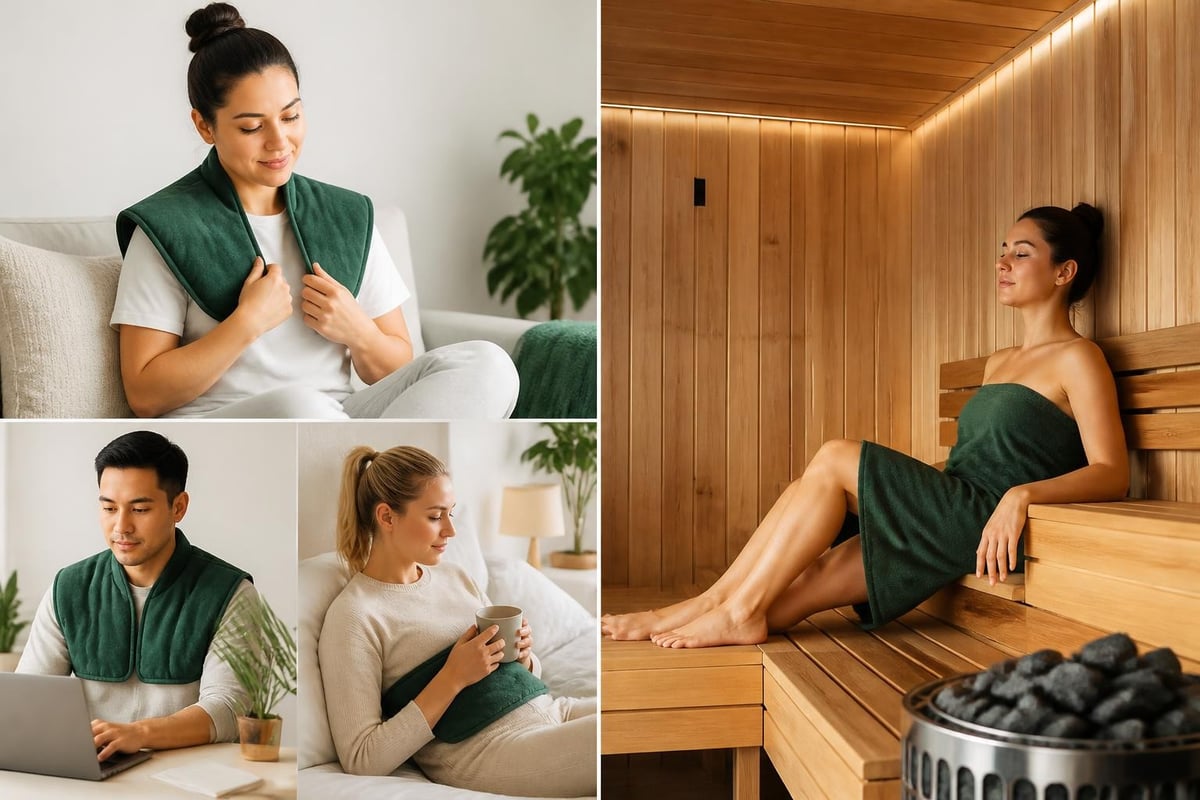
A sauna bag is a portable heat accessory designed for temporary, on-the-go warmth rather than the kind of authentic sauna experience you build in your backyard. These compact bags, typically worn around the waist or placed on the body, use electric heating elements or heat-retaining materials to generate localized warmth. They're marketed toward travelers, athletes seeking recovery heat, or anyone looking for convenience-first thermal therapy. But if your goal is true sauna bathing with proper löyly, ventilation and lasting wellness benefits, a sauna bag falls well short of what a permanent outdoor sauna delivers.
Understanding what a sauna bag actually is, how it compares to other heat options, and when it makes sense helps you avoid mismatched expectations. This guide covers materials, common uses, safety considerations, and why homeowners serious about sauna culture ultimately choose a different path.
What Is a Sauna Bag and How Does It Work
A sauna bag is a small, insulated pouch or wrap containing heating elements or heat-retaining materials. Most models plug into a wall outlet or USB port and warm to a set temperature, delivering localized heat to a specific body area.
The construction usually includes:
- Outer shell: Neoprene, polyester or synthetic fabric for durability and insulation
- Heating layer: Electrical coils, infrared panels, or heat-reflective liners
- Straps or closures: Velcro, zippers or elastic bands to secure the bag in place
- Temperature control: Basic dial or digital controller, typically limited to 100–140°F (38–60°C)
Unlike a traditional sauna that heats the air around you, a sauna bag applies heat directly to the skin. The goal is muscle relaxation, mild sweating, or warmth during travel. It's fundamentally different from sitting in a hot room where humidity, air circulation, and full-body heat exposure create the authentic sauna effect.
Common Uses and Target Buyers
Sauna bags appeal to a specific set of situations where portability and convenience outweigh sauna quality:
- Athletes on the road who want localized heat therapy between games or events
- Frequent travelers seeking warmth in hotel rooms or during flights
- Office workers dealing with lower-back tension during long desk sessions
- Budget-conscious buyers exploring heat therapy without committing to a permanent setup
These products work best as temporary muscle-warming tools, not as replacements for sauna bathing. Expectations need to stay grounded in what the device actually delivers.
Materials, Safety and Environmental Trade-Offs
Most sauna bags rely on synthetic materials that raise questions about durability, off-gassing, and environmental impact.
| Material | Common Use | Considerations |
|---|---|---|
| Neoprene | Outer shell insulation | Petroleum-derived; production linked to chemical emissions; durable but not eco-friendly |
| Polyester | Fabric lining and straps | Synthetic, low breathability; can trap moisture against skin |
| PVC-coated fabrics | Heat-reflective inner layers | May off-gas when heated; avoid prolonged skin contact |
| Heating coils (metal) | Electric heat generation | Safe when properly insulated; check for UL or CE certification |
Neoprene, widely used in sauna bags, is a synthetic rubber made from petroleum. While it insulates well and resists wear, manufacturing involves chloroprene, a chemical flagged in EPA inspections for emissions concerns. If you value natural materials and long-term environmental health, neoprene-heavy products don't align with the same ethos as solid Thermowood or Nordic Pine construction.
Heat and Safety Limits
Sauna bags operate at much lower temperatures than traditional saunas. A Finnish sauna typically reaches 160–195°F (70–90°C), allowing your body to heat gradually through convection, radiation, and steam from löyly.
Sauna bags max out around 140°F, with heat applied directly to skin through conduction. This creates a different thermal experience:
- Risk of burns if the bag malfunctions or overheats
- Uneven heating across the body
- No ventilation, trapping sweat and moisture against the skin
- Limited cardiovascular response compared to full-body passive heating
Research on passive heat therapy shows cardiovascular and metabolic benefits stem from sustained, whole-body heat exposure. A localized sauna bag doesn't replicate that stimulus. While localized heating strategies can improve thermal comfort and support sleep, they're not substitutes for sauna bathing.
Sauna Bag vs. Portable Sauna vs. Permanent Outdoor Sauna
Understanding how a sauna bag stacks up against other options helps clarify where it fits in the wellness landscape.
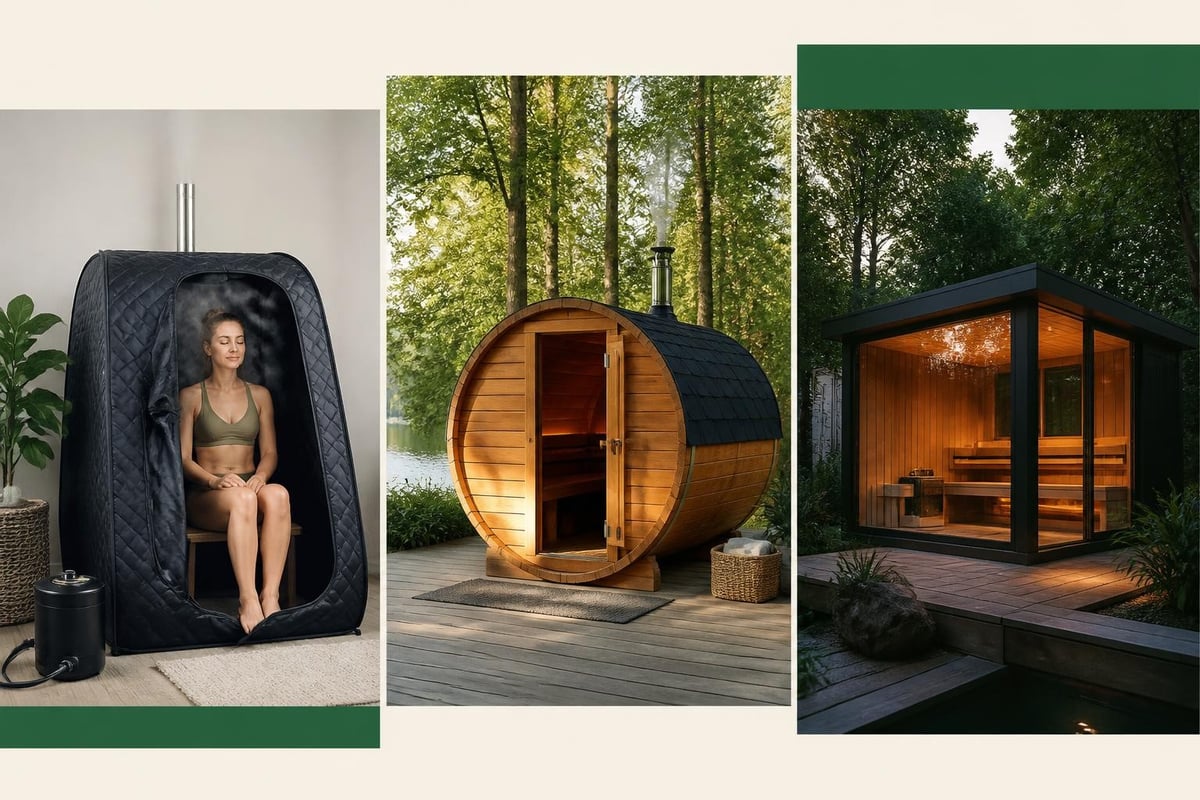
Sauna Bag
- Portability: Fits in a suitcase; easy to travel with
- Cost: $30–$150
- Heat quality: Localized conduction; no steam, no air circulation
- Durability: Limited lifespan; synthetic materials degrade with regular use
- Experience: Functional for muscle warmth; not a sauna session
Portable Sauna (Tent-Style)
- Portability: Folds for storage; sets up in a room
- Cost: $150–$500
- Heat quality: Enclosed space with infrared or steam; partial body immersion
- Durability: Moderate; fabric and frames wear over time
- Experience: Closer to a sauna; still compromises on ventilation and authenticity
Permanent Outdoor Sauna
- Portability: Fixed structure; requires foundation and installation
- Cost: $8,000–$25,000+ depending on size, materials, heater choice
- Heat quality: Full-body passive heating; proper ventilation; authentic löyly with electric or wood heaters
- Durability: Decades with quality materials like Thermowood; minimal maintenance
- Experience: True sauna bathing; cultural authenticity; family and social use
The gap in quality, longevity, and wellness impact is substantial. A sauna bag serves as a stopgap for travel or short-term muscle relief, but it doesn't deliver the physiological or cultural experience that draws people to sauna in the first place.
When a Sauna Bag Makes Sense (and When It Doesn't)
A sauna bag has a narrow but valid use case. It makes sense when:
- You travel frequently and want localized warmth in hotel rooms or during flights
- You're recovering from a specific injury and need targeted heat therapy between physical therapy sessions
- You're testing whether regular heat exposure appeals to you before investing in a permanent setup
- You need a gift for someone interested in wellness gadgets but not ready for a full sauna commitment
It doesn't make sense when:
- Your goal is regular sauna bathing with steam, ventilation, and full-body heat
- You want cardiovascular or metabolic benefits supported by heat thermotherapy research
- You value natural materials, long-term durability, and environmental responsibility
- You're planning a backyard wellness space that serves your family for years
If you're in the second category, skip the sauna bag and focus your research on permanent outdoor saunas sized and built for your climate, yard, and lifestyle.
Why Homeowners Choose Permanent Outdoor Saunas Instead
For buyers exploring sauna options, the sauna bag question often arises early in the research phase. It's affordable, portable, and easy to try. But within a few uses, the limitations become clear.
Permanent outdoor saunas deliver value across dimensions a sauna bag can't touch:
- Authentic heat and humidity: Proper air circulation, steam from water on hot stones, and gradual full-body warming
- Social and family use: Space for 2–6 people; shared wellness rituals
- Year-round performance: Insulated walls, weatherproof construction, and reliable heating in cold climates
- Natural materials: Solid Thermowood or Nordic Pine; no synthetic off-gassing
- Long-term investment: Decades of use; increases property value and lifestyle quality
The upfront cost difference is real, but so is the experience gap. A $10,000 outdoor sauna serves your household daily for 20+ years. A $100 sauna bag works intermittently for a season or two before the heating element fails or the fabric tears.
Choosing the Right Size and Layout
If you're ready to move beyond portable accessories, sizing becomes the first practical decision. Most North American backyards accommodate a 2.3 × 2.3 m or 3.0 × 2.3 m footprint comfortably.
Compact footprint (2.3 × 2.3 m):
- Fits smaller yards, patios, or urban lots
- Seats 2–4 people; tight but functional for couples or small families
- Lower heating cost; faster warm-up times
- Fewer permitting hurdles in some municipalities
Generous layout (3.0 × 2.3 m):
- Comfortable for 4–6 people; better headroom and bench space
- Supports straight or L-shaped bench configurations
- Easier to add a changing room or terrace extension
- More flexibility for wood-burning heater installation
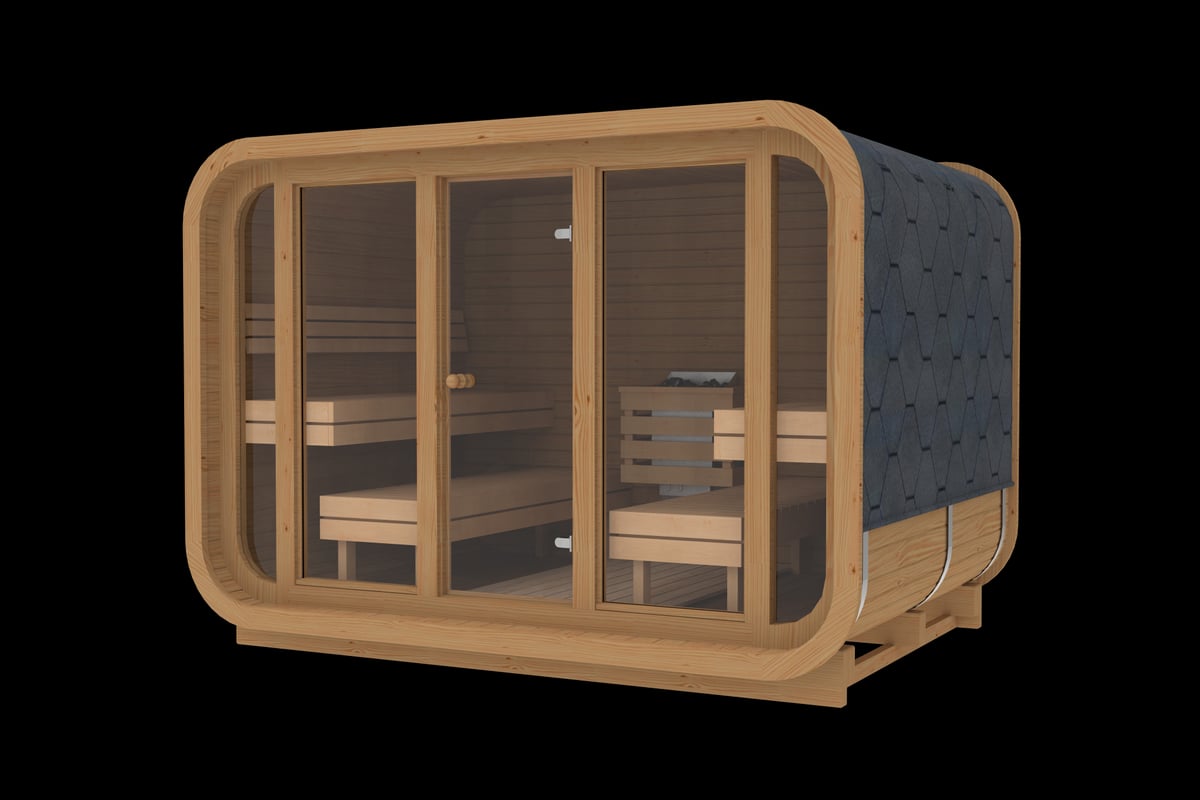
The RecoSauna Sisu Square Sauna 3.0 × 2.3 m in Thermowood balances space, comfort, and authentic Finnish design. Its 46 mm solid Thermowood walls, four tinted front windows, and choice of bench layouts make it a strong choice for buyers who want a complete backyard sauna without the compromises of a portable solution.
Installation, Heater Choice and Long-Term Maintenance
Permanent outdoor saunas require planning, but the process is straightforward when you work with clear product specifications and local building knowledge.
Foundation and Placement
Your sauna needs a stable, level base. Common options include:
- Concrete pad: Poured slab; most durable; best for year-round climates
- Paver base: Compacted gravel with interlocking pavers; good drainage
- Deck extension: Attached to an existing deck; verify load capacity
- Gravel bed with treated skids: Budget-friendly; suitable for drier climates
Check local building codes for setback requirements, electrical permits (if using an electric heater), and fire clearances (especially for wood-burning heaters).
Electric vs. Wood-Burning Heaters
Your heater choice shapes the daily sauna experience.
| Heater Type | Best For | Considerations |
|---|---|---|
| Electric | Convenience, precise control, faster warm-up | Requires 240V circuit; lower ambiance; ongoing electricity cost |
| Wood-burning | Authentic Finnish experience, off-grid capability, ritual | Longer heat-up; need firewood supply; chimney installation; more hands-on |
Both deliver authentic löyly when paired with the right sauna stones and proper ventilation. Your choice depends on your tolerance for prep work and whether you value the meditative process of building a fire.
Ongoing Care
Thermowood and Nordic Pine saunas need minimal maintenance:
- Rinse benches after heavy use to prevent salt buildup
- Air out the sauna after each session; leave the door cracked
- Inspect door seals and hinges annually
- Clean exterior wood once a year; optional UV oil treatment for color retention
- Check heater stones every 1–2 years; replace cracked or crumbling stones
Compare this to a sauna bag, which requires careful cleaning to avoid mildew, frequent inspection of electrical components, and eventual replacement when synthetic materials degrade.
Beyond the Sauna Bag: Building a Complete Wellness Space
Once you commit to a permanent outdoor sauna, the next question is how to expand the wellness footprint. Many North American buyers pair their sauna with cold exposure, creating a contrast therapy routine that amplifies cardiovascular and recovery benefits.
Cold Plunge Integration
A cold plunge tub, stock tank, or small natural pond next to your sauna turns each session into a full contrast cycle. The routine is simple:
- Heat in the sauna for 10–15 minutes
- Cool in cold water (50–60°F) for 1–3 minutes
- Rest and repeat 2–3 cycles
The thermal contrast stimulates circulation, reduces inflammation, and sharpens mental clarity. It's a cornerstone of Finnish and Scandinavian sauna culture, and it's easy to set up in your own yard.
Changing Room and Terrace Options
If space and budget allow, a dedicated changing room adds privacy and comfort. Models like the RecoSauna Comfort series include a 1 m changing area with a bench and internal glass door, so you can transition in and out of the sauna without tracking through the yard.
A covered terrace extends the sauna into an outdoor living space where you cool down, socialize, or simply enjoy the evening air between rounds. Both features shift the sauna from a single-purpose structure into a backyard retreat.
Making the Right Choice for Your Home and Lifestyle
If you've spent time researching portable heat accessories, it's a sign you're thinking seriously about regular heat therapy. The question is whether you want a temporary tool or a permanent wellness asset.
A sauna bag works for travel and occasional muscle relief, but it doesn't replicate the physiological, social, or cultural depth of a real sauna. Portable tent-style saunas close part of the gap, but they still compromise on materials, ventilation, and longevity.
A permanent outdoor sauna built from Thermowood or Nordic Pine, paired with the right heater and thoughtful placement, transforms your property and daily routine. It's a decision that rewards you for decades, not just a season.
Start by defining your priorities:
- How often will you use it? Daily use justifies the investment in quality and comfort.
- Who will join you? Families and social groups need space; solo users can go compact.
- What's your climate? Cold winters require solid insulation and reliable heating.
- Do you want electric convenience or wood-fire tradition? Both are valid; choose what fits your lifestyle.
Once those priorities are clear, the right model, size, and configuration become obvious. And the sauna bag? It fades from consideration entirely.
A sauna bag serves as a portable heat tool, but it's no substitute for the authentic sauna experience homeowners seek when they explore wellness spaces for their property. If you're ready to move beyond temporary accessories and invest in a backyard sauna built to last, RecoSauna offers Finnish-designed outdoor saunas in Thermowood and Nordic Pine, sized and configured for North American climates and lifestyles. Explore the collection, compare models, and take the first step toward a sauna that becomes part of your daily life.
Share:
Electric Sauna Guide: Heaters, Installation & Costs 2026
Custom Sauna Guide: Design, Planning & Build Options