

A portable steam room offers a mobile wellness solution for homeowners exploring heat therapy at home without committing to a permanent installation. These compact units generate moist heat through steam, marketed as an accessible entry point for relaxation and respiratory comfort. Yet buyers who dig deeper often discover meaningful trade-offs in build quality, running costs, maintenance demands and the depth of the wellness experience itself. Understanding what a portable steam room actually delivers, and how it compares to purpose-built outdoor heat therapy options, helps you make a confident choice for your backyard, climate and long-term goals.
How Portable Steam Rooms Work
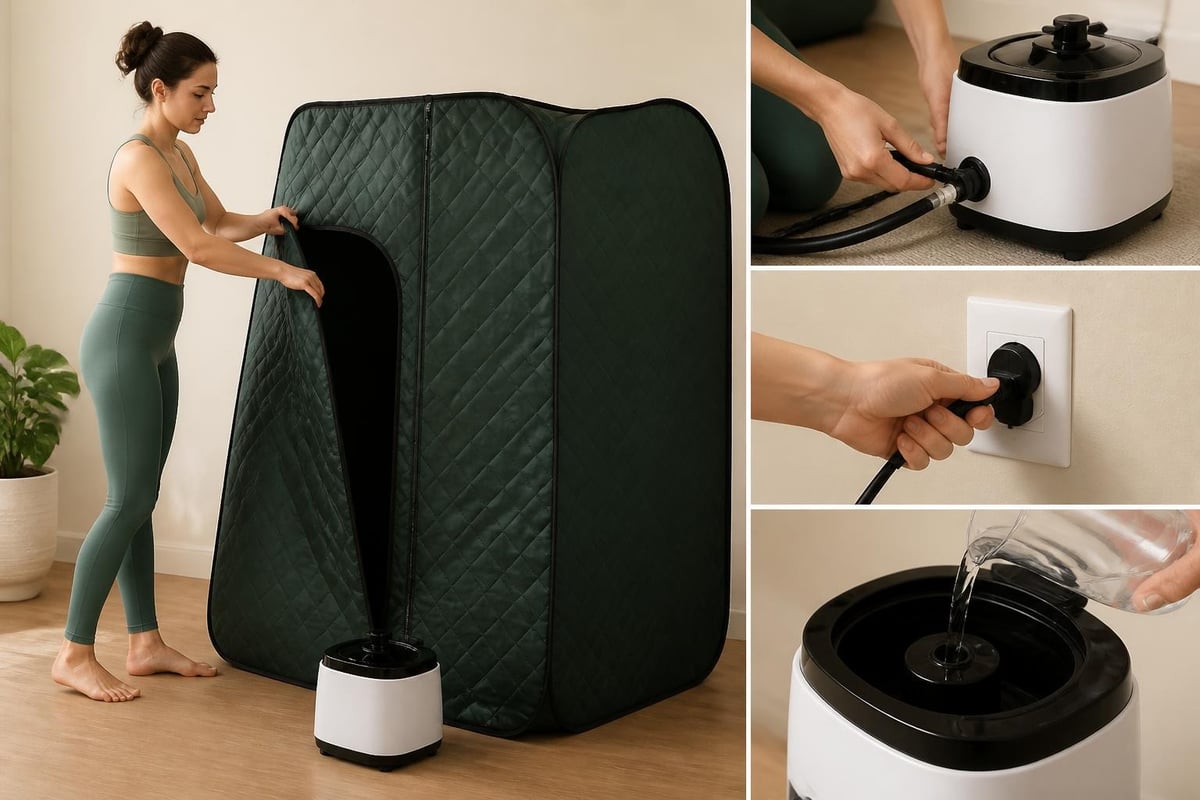
A portable steam room is typically a prefabricated enclosure made from fabric, plastic or composite panels with an integrated or external steam generator. You plug it into a standard electrical outlet, add water to the generator and the unit produces steam that fills the enclosure.
Core components include:
- Steam generator: Boils water and pumps vapor into the chamber
- Enclosure: Tent-style fabric, rigid panels or inflatable walls
- Control panel: Timer, temperature selector, auto-shutoff
- Drainage system: Catchment tray or hose for condensate
Most units are designed for one or two people seated on a small bench or folding chair. The generator sits outside the chamber, connected by a hose or duct.
Setup takes 15 to 30 minutes. You unfold the tent, attach the generator, run an extension cord if needed and wait for the chamber to fill with steam. Temperature ranges from 100°F to 120°F with humidity near 100 percent, creating a moist, clammy heat distinct from the dry, high-heat environment of a traditional sauna.
Steam vs Sauna Heat
The difference in heat character matters more than most marketing suggests. A portable steam room delivers wet heat; you're enveloped in visible vapor that condenses on your skin. Traditional saunas deliver dry heat at much higher temperatures (150°F to 195°F) with low humidity, spiking briefly when you toss water on hot stones to create löyly.
| Feature | Portable Steam Room | Outdoor Sauna |
|---|---|---|
| Temperature | 100–120°F | 150–195°F |
| Humidity | 95–100% | 10–20% (spikes with löyly) |
| Heat feel | Moist, clinging, moderate | Dry, intense, breathable |
| Session length | 10–20 minutes | 15–30 minutes with cool-downs |
| Portability | Foldable, moves easily | Permanent structure |
| Long-term value | Moderate (wear, replacement) | High (decades of use) |
Steam feels gentler at first because the lower temperature and humidity limit your body's ability to cool through sweat evaporation. Saunas feel hotter because dry air lets sweat evaporate freely, and your skin temperature rises faster. Neither is inherently superior; the question is which heat style supports your wellness routine and fits your property.
According to Healthline's overview of steam rooms, both environments can promote relaxation and temporary muscle relief, but the clinical evidence for specific health claims remains limited and varies by individual health status.
Common Uses and Claimed Benefits
People buy a portable steam room for respiratory comfort, post-workout recovery, skin hydration and stress relief. The moist heat is often promoted as soothing for congestion and dry airways, especially in winter.
Typical claimed benefits include:
- Loosening mucus and easing breathing
- Opening pores and moisturizing skin
- Reducing muscle tension after exercise
- Supporting relaxation and sleep quality
A systematic review on steam inhalation notes that while steam may offer temporary symptomatic relief for upper respiratory irritation, clinical evidence for therapeutic benefit in treating illness is inconsistent. Most reported benefits are subjective and closely tied to individual comfort preferences.
WebMD's guidance on steam rooms recommends caution for users with cardiovascular conditions, asthma triggers or heat sensitivity. Sessions longer than 15 minutes and inadequate hydration increase risk, and mold or bacteria in poorly maintained units can aggravate respiratory issues rather than relieve them.
Maintenance and Hygiene Concerns
A portable steam room requires consistent cleaning to prevent microbial growth. The combination of moisture, warmth and organic residue creates ideal conditions for mold and bacteria. Most manufacturers recommend wiping down interior surfaces after each use, emptying the catchment tray and running a vinegar rinse through the generator weekly.
Despite these guidelines, many owners report mildew odor and visible mold within months, especially in humid climates or when the unit is stored while still damp. The EPA's guidance on home humidifiers emphasizes daily cleaning and complete drying to prevent microbial contamination, principles that apply equally to portable steam generators.
Fabric and plastic enclosures wear faster than solid construction. Seams fray, zippers fail and panels crack after repeated thermal cycles. Replacement parts are often unavailable, turning a minor repair into a full-unit replacement within two to four years.
Installation and Space Requirements
Setting up a portable steam room is straightforward but not effortless. You need a flat indoor surface with access to a 120V or 240V outlet (depending on generator wattage), ventilation to exhaust excess humidity and clearance around the unit for safety.
Space and utility checklist:
- Footprint: 3 × 3 feet to 4 × 5 feet, depending on model
- Ceiling height: Minimum 6.5 feet for seated comfort
- Electrical: Dedicated 15–20 amp circuit (higher wattage models may require 240V)
- Ventilation: Bathroom exhaust fan or open window to manage humidity
- Flooring: Waterproof surface (tile, vinyl, sealed concrete) with drainage access
Most buyers place the unit in a bathroom, basement or utility room. Outdoor use is uncommon due to weather exposure and the need for electrical protection. The generator must stay dry, and freezing temperatures can damage internal components.
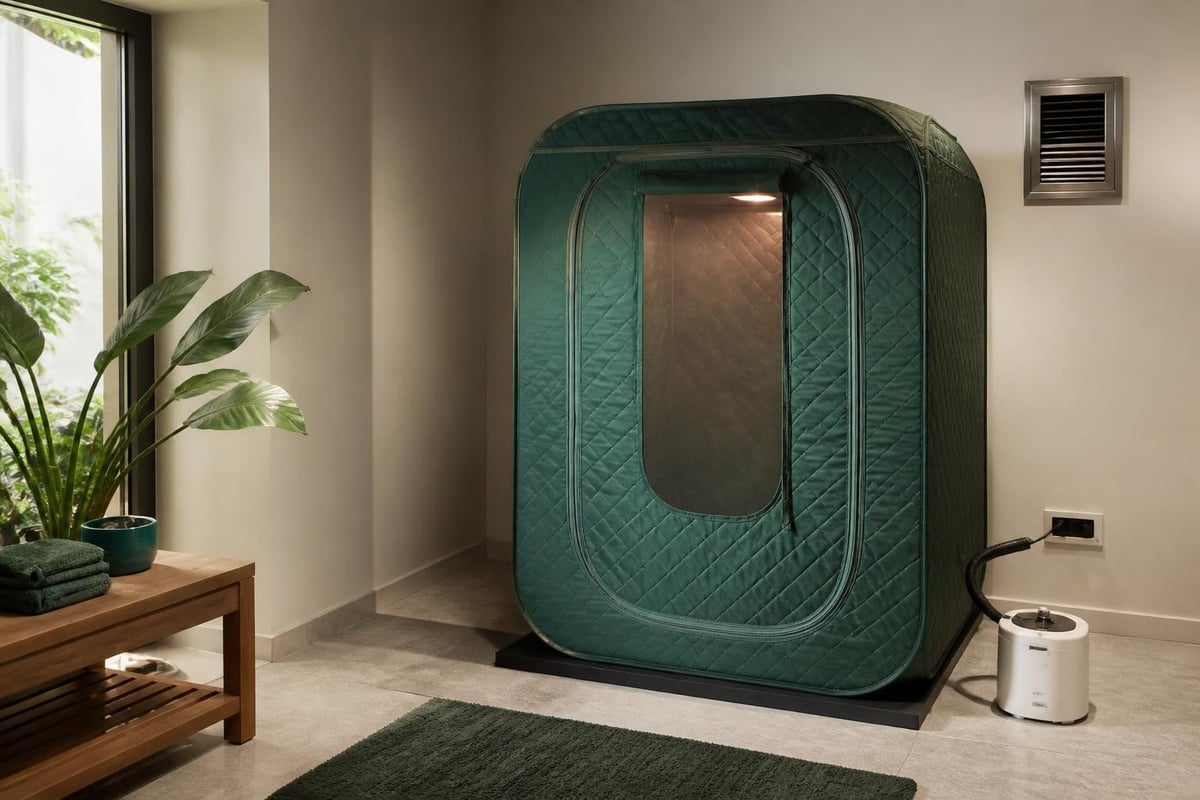
Contrast this with a permanent outdoor sauna, which sits on a dedicated foundation in your backyard and becomes a year-round wellness space. While installation is more involved, the structure is purpose-built for decades of use without the need to fold, store or repeatedly set up.
Cost, Longevity and Value Comparison
A portable steam room costs between $300 and $1,200 depending on enclosure material, generator capacity and brand. Entry-level fabric tents start around $300; rigid-panel models with digital controls reach $1,200. Replacement generators range from $100 to $400.
Operating and replacement costs:
- Electricity: $5–$15 per month for regular use (varies by local rates)
- Water: Minimal (1–2 gallons per session)
- Maintenance supplies: Vinegar, microfiber cloths, mold preventatives
- Unit replacement: Every 2–4 years for moderate use
Over a five-year period, you may spend $1,500 to $2,500 including initial purchase, electricity, maintenance and one or two replacements. That's a modest upfront investment but a recurring expense cycle.
An outdoor sauna requires a larger initial commitment but delivers measurably longer service life. A well-built Thermowood sauna, properly maintained, performs reliably for 20 to 30 years. The cost per year of ownership drops significantly, and the structure adds lasting value to your property.
For homeowners who want a dedicated, year-round wellness routine, the difference between a consumable appliance and a permanent structure becomes clear over time.
Why Buyers Choose Outdoor Saunas Instead
Many people start their search with a portable steam room, drawn by the low entry cost and minimal commitment. After comparing features, maintenance and experience depth, a significant number shift their focus to outdoor saunas.
Outdoor saunas offer:
- Authentic heat therapy: High dry heat, traditional löyly, natural breathing
- Durable construction: Solid Thermowood or Nordic Pine walls, decades of use
- Year-round comfort: Designed for cold climates, snow, rain and temperature swings
- Flexible layouts: Straight or L-shaped benches, changing rooms, multiple capacities
- Backyard presence: Purpose-built structure that enhances outdoor living
An outdoor sauna becomes part of your home's wellness infrastructure. You don't fold it away after each session or worry about mildew in the seams. You heat it, step in, throw water on the stones and experience the same ritual practiced in Finland for generations.
For buyers prioritizing long-term value, design quality and a wellness routine that deepens over years rather than months, the choice between a portable steam room and a permanent outdoor sauna often resolves itself.
Choosing the Right Solution for Your Home
If you live in an apartment, lack outdoor space or want to test heat therapy before committing, a portable steam room can serve as a short-term introduction. It's a reasonable experiment when you understand the limitations and accept the replacement cycle.
If you own a home with backyard space, plan to stay for several years and value a consistent wellness routine, an outdoor sauna delivers better long-term return. The gap in initial cost narrows when you account for replacement cycles, and the experience quality is substantially higher.
Decision factors:
| Priority | Portable Steam Room Fit | Outdoor Sauna Fit |
|---|---|---|
| Trial or temporary use | Strong | Weak |
| Indoor-only option | Strong | Not applicable |
| Minimal upfront cost | Strong | Moderate |
| Long-term value | Weak | Strong |
| Authentic heat experience | Weak | Strong |
| Backyard wellness space | Not applicable | Strong |
| Minimal maintenance | Weak | Moderate |
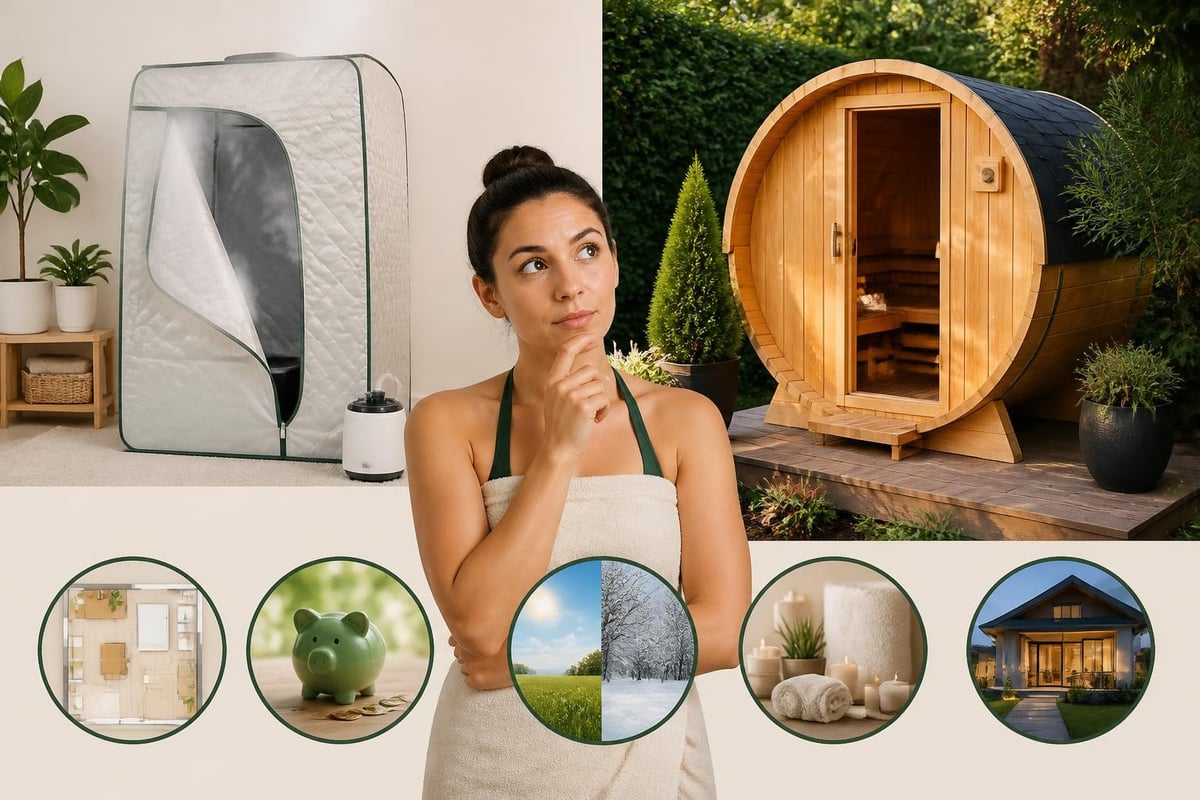
Consider your climate as well. A portable steam room struggles in humid regions where indoor moisture already challenges air quality. Outdoor saunas, particularly those built with Thermowood and insulated for winter performance, handle temperature extremes and seasonal shifts without compromise.
Health, Safety and Usage Guidelines
Both steam rooms and saunas require attention to hydration, session duration and individual health status. Steam's high humidity can feel oppressive for some users, especially those with asthma or chronic respiratory conditions. Saunas' dry heat and higher temperatures demand careful acclimation and cooling breaks.
General safety practices:
- Hydrate before and after each session
- Limit sessions to 15–20 minutes for steam, 15–30 minutes for sauna
- Cool down gradually (step outside, sit, rinse with lukewarm water)
- Avoid alcohol before or during use
- Consult a physician if you have cardiovascular, respiratory or heat-sensitive conditions
The Hydrothermal Guide from the Hot Springs Association provides detailed operational and safety guidance for steam rooms and other thermal spaces. While aimed at commercial facilities, the ventilation, climate control and hygiene principles apply equally to home use.
Standards published by organizations such as the Global Wellness Institute outline best practices for hydrothermal wellness spaces, helping homeowners understand the infrastructure, airflow and maintenance required for safe, effective heat therapy.
Outdoor Sauna as a Permanent Wellness Investment
A permanent outdoor sauna transforms your backyard into a year-round retreat. You skip the setup ritual, avoid the replacement cycle and gain a structure purpose-built for decades of reliable service. The heat is authentic, the experience is deeper and the investment pays off over time.
If you're comparing sauna models and want a balance of space, layout flexibility and premium materials, the RecoSauna Sisu Square Sauna 3.0 × 2.3 m in Thermowood delivers room for two to six people with four tinted windows, 46 mm solid Thermowood walls and a choice of straight or L-shaped Black Alder or Aspen benches. It's compatible with electric or wood-burning heaters, adapts to North American climates and supports the traditional sauna routine many buyers seek when they start exploring portable steam rooms but realize they want something built to last.
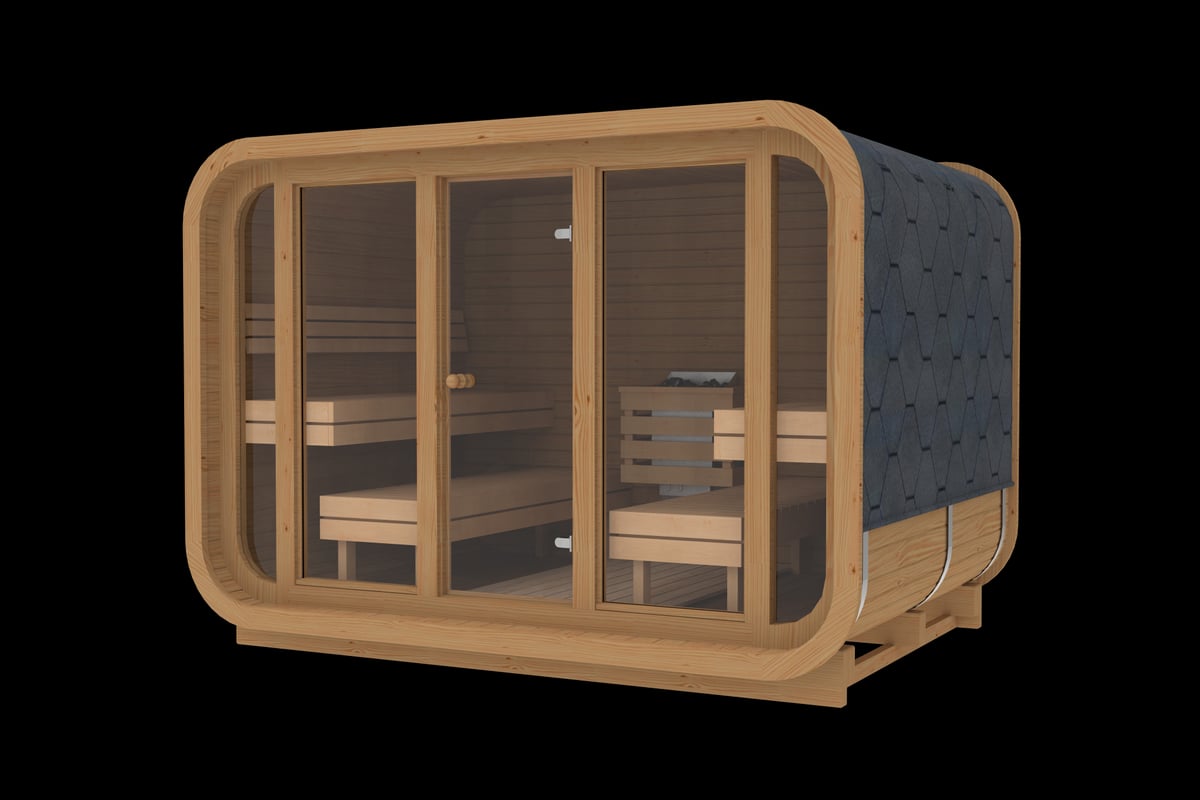
Outdoor saunas integrate naturally with cold-plunge routines, creating a complete contrast-therapy setup in your backyard. The cycle of heat, cooling and rest becomes a ritual rather than a task, and the structure itself becomes a focal point for wellness, conversation and time outdoors.
Practical Next Steps
If you're ready to move beyond temporary solutions and invest in a permanent wellness space, start by clarifying your priorities: capacity, bench layout, heater type, material choice and whether you want a changing room or terrace.
Walk through the decision step by step:
- Measure your backyard space and confirm foundation requirements
- Decide on capacity: 2 people, 4 people or 6 people
- Choose Thermowood or Nordic Pine based on climate and aesthetic preference
- Select electric or wood-burning heat depending on power access and tradition
- Evaluate layout options: straight bench, L-bench, changing room, terrace
RecoSauna's Square Sauna collection offers multiple configurations, all designed for North American backyards and year-round outdoor use. Each model ships as a complete kit with detailed assembly guidance, so you can install it yourself or work with a local contractor.
If you're still weighing your options or have questions about sizing, installation or climate fit, reach out through RecoSauna's contact page. Practical guidance, rooted in Finnish sauna culture and adapted for North American homeowners, helps you choose confidently.
A portable steam room serves as a low-cost introduction to heat therapy, but its limitations in durability, maintenance and experience depth lead many buyers toward permanent outdoor saunas. If you're ready to build a lasting wellness space in your backyard, explore the RecoSauna collection at RecoSauna and discover how authentic Finnish sauna design, Thermowood construction and thoughtful layout options create a retreat built for decades, not seasons.
Share:
German Saunas: Design, Aufguss Ritual & What North Americans Should Know
Sauna at Planet Fitness: What to Expect & Alternatives