

Alternating between heat and cold isn't just an ancient wellness tradition. When you move from a hot sauna directly into cold water and back again, you trigger measurable physiological responses that athletes, researchers and homeowners increasingly rely on for recovery, circulation and mental clarity. Understanding the specific contrast therapy benefits, the science behind them, and how to set up a safe protocol in your own backyard helps you move past wellness trends and build a sustainable practice grounded in real outcomes.
What Contrast Therapy Actually Does to Your Body
Contrast therapy describes the deliberate alternation between hot and cold exposure, typically sauna heat followed by cold-water immersion. Each temperature extreme pushes your circulatory system in opposite directions.
When you sit in a sauna at 75–85°C, your blood vessels dilate, heart rate rises, and blood flow to your skin increases to shed heat. Step into cold water at 10–15°C, and those vessels constrict sharply, shunting blood toward your core and vital organs. Repeat the cycle, and you create a pumping effect that flushes metabolic waste, delivers fresh oxygen and nutrients, and may reduce inflammation markers tied to muscle soreness.
Vasodilation and Vasoconstriction: The Core Mechanism
The alternating dilation and constriction of blood vessels is the foundation of most contrast therapy benefits.
- Heat phase: Peripheral blood vessels expand, skin temperature climbs, and sweating begins. Core temperature rises slightly, prompting cardiovascular adjustments similar to moderate exercise.
- Cold phase: Vessels constrict, blood pressure spikes briefly, and skin temperature drops. The body prioritizes core warmth, reducing blood flow to limbs.
- Repeat cycles: Each transition trains your vascular system, potentially improving endothelial function and autonomic nervous system balance over time.
This vascular gymnastics is why contrast therapy appears in athletic training rooms, physical therapy clinics, and increasingly in home wellness setups. A network systematic review comparing cold, hot and contrast hydrotherapy found that contrast protocols can reduce perceived muscle soreness and accelerate functional recovery after intense exercise, though individual response varies.
Evidence-Based Benefits for Recovery and Performance
Research into contrast therapy benefits has grown substantially in the past decade, with controlled trials examining everything from delayed-onset muscle soreness to inflammatory markers.
Reduced Muscle Soreness and Faster Recovery
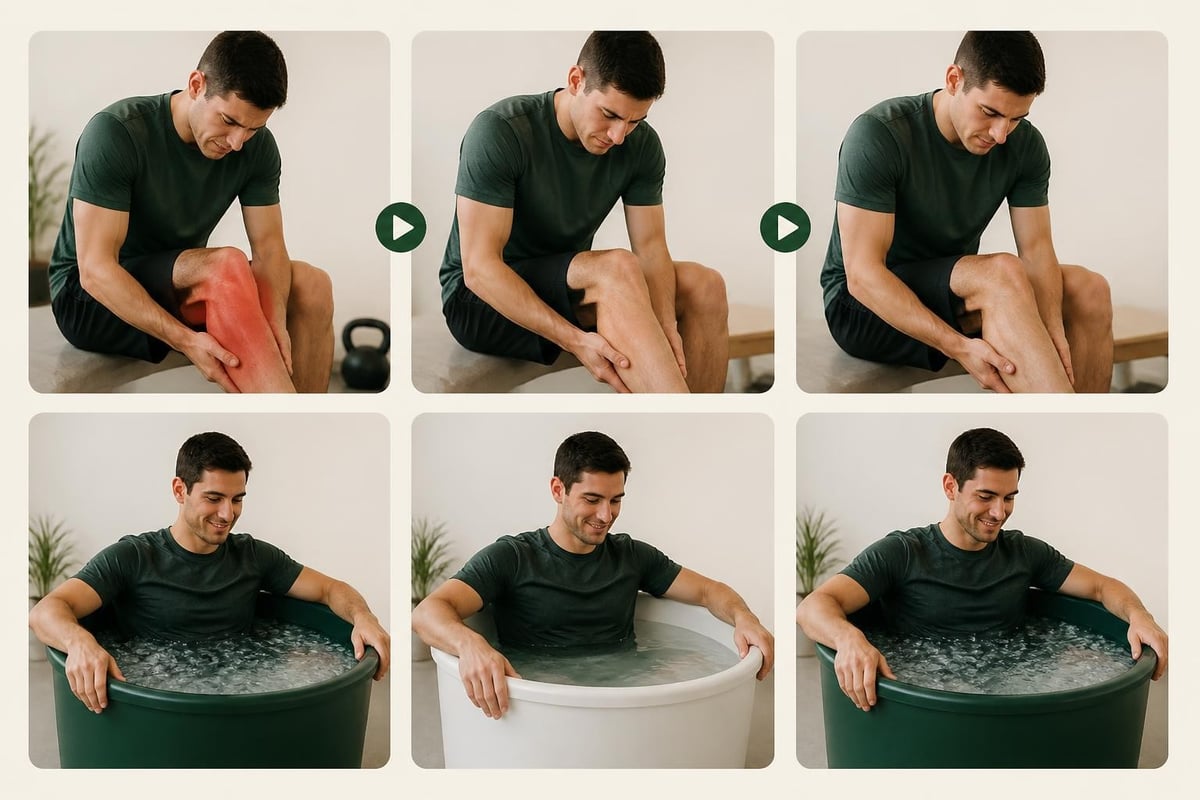
One of the most studied outcomes is post-exercise muscle damage. Athletes using contrast water therapy (CWT) report lower soreness scores and improved range of motion 24–72 hours after hard training. A systematic review and meta-analysis on contrast water therapy concluded that CWT outperformed passive recovery for reducing muscle soreness, though effects on strength and power metrics were more modest.
Key findings:
- CWT reduced perceived soreness by approximately 10–20% compared to rest alone.
- Benefits were most pronounced 24–48 hours post-exercise, aligning with peak inflammation.
- Protocols typically involved 3–5 cycles of 3–5 minutes hot (38–40°C water) and 1–2 minutes cold (10–15°C water).
While sauna and cold plunge differ slightly from water-only immersion, the underlying mechanisms overlap: improved blood flow, modulated inflammation, and enhanced clearance of metabolic byproducts.
Improved Circulation and Lymphatic Flow
The pumping action created by alternating temperatures may enhance lymphatic drainage, which helps remove cellular waste and excess fluid from tissues. Although direct evidence is still emerging, practitioners observe reduced swelling and improved tissue quality in clients who use contrast protocols regularly.
| Physiological Response | Heat Phase | Cold Phase | Net Effect |
|---|---|---|---|
| Blood vessel diameter | Dilated | Constricted | Pumping action |
| Heart rate | Elevated | Briefly spiked, then normalized | Cardiovascular adaptation |
| Inflammation markers | Neutral to slight increase | Reduced cytokine activity | Modulated inflammation |
| Perceived soreness | Relaxed muscles | Numbing effect | Reduced pain perception |
Mental Clarity and Stress Resilience
Beyond physical recovery, many users report sharper focus and improved mood after contrast sessions. Cold exposure activates the sympathetic nervous system, triggering a controlled stress response that, over time, may build resilience to other stressors. Heat exposure promotes parasympathetic activation and relaxation.
This balance between challenge and calm is central to the growing interest in contrast therapy benefits for mental health. A 2024 study on cold-water immersion's broader effects found that regular cold exposure correlated with lower anxiety scores and improved emotional regulation, though causality remains under investigation.
How to Build a Safe and Effective Contrast Routine
Setting up contrast therapy at home requires careful planning, the right equipment, and a realistic understanding of your health baseline.
Essential Equipment: Sauna and Cold Plunge
You need a reliable heat source and a cold-water option. For most North American homeowners, that means an outdoor sauna and a dedicated cold plunge, ice bath, or even a livestock tank filled with cold water.
Sauna considerations:
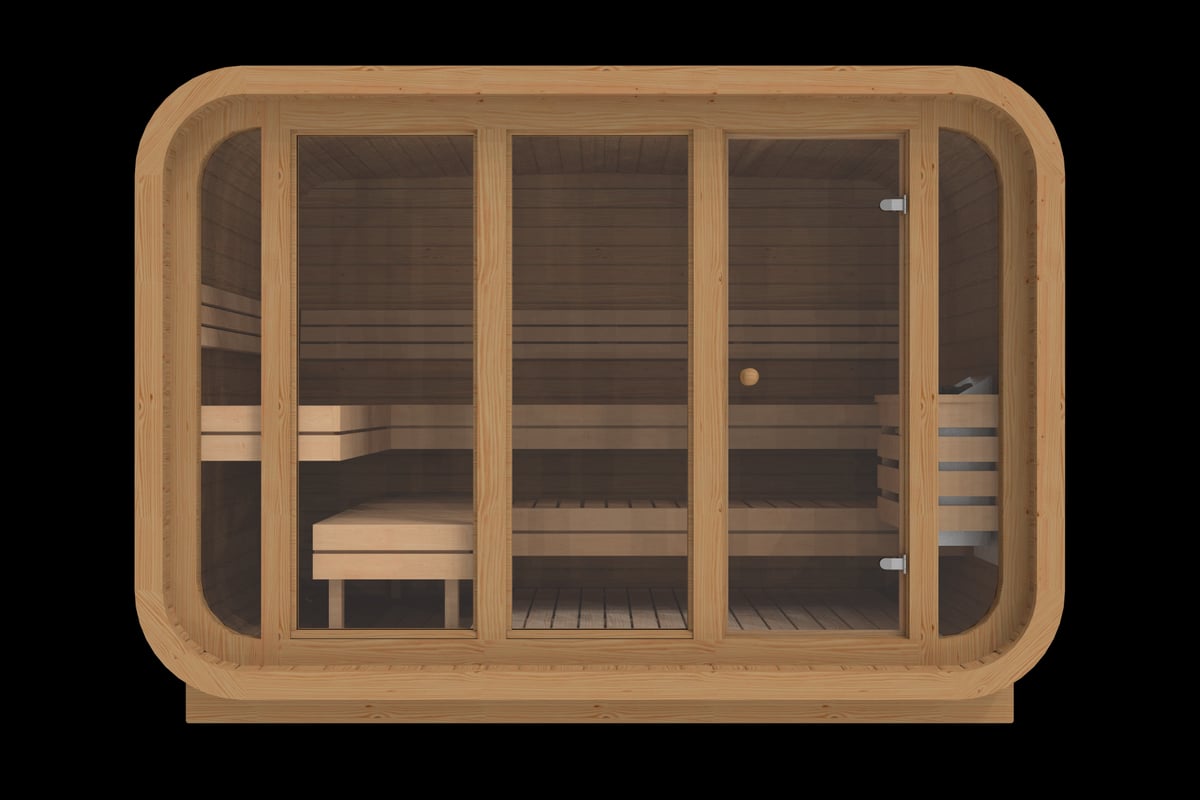
- Size and capacity: A 2–6 person sauna like the RecoSauna Sisu Square Sauna 3.0 × 2.3 m in Thermowood provides enough bench space for comfortable lying or sitting during longer heat phases.
- Heater type: Electric heaters offer precise temperature control; wood-burning heaters deliver traditional löyly but require more attention.
- Insulation and year-round use: Thermowood construction with solid 46 mm walls performs well in cold climates, maintaining consistent heat even in winter.
Cold-plunge options:
- Dedicated cold tubs: Commercial units with chillers keep water at 10–15°C year-round.
- DIY setups: A clean stock tank, regular water changes, and ice during warm months work for many homeowners.
- Natural water: Lakes, rivers, or ocean access in cooler climates provide free cold immersion, though temperature varies seasonally.
If you're evaluating outdoor sauna cost and cold-plunge investment together, plan for the sauna to anchor your routine. Cold water is easier to improvise initially, but a purpose-built plunge improves compliance and safety.
The combination of a premium outdoor sauna and a functional cold plunge creates a backyard wellness space that supports consistent contrast therapy year-round.
Protocol Basics: Temperature, Timing, and Cycles
There's no single "correct" contrast protocol. Research trials and clinical practice suggest the following starting point for healthy adults:
Standard 3-cycle protocol:
- Sauna (heat): 10–15 minutes at 75–85°C. Sit or lie comfortably; breathe deeply. Exit when you feel thoroughly warmed.
- Cold plunge: 2–3 minutes at 10–15°C. Controlled breathing. Exit before shivering becomes intense.
- Rest (optional): 2–5 minutes at room temperature, towel off, hydrate.
- Repeat: Complete 2–3 full cycles, ending on cold or heat depending on your goal (cold for invigoration, heat for relaxation).
Adjust for your tolerance:
- Beginners may start with 5–8 minutes heat, 1 minute cold, and 2 cycles.
- Experienced users extend to 15–20 minutes heat, 3–5 minutes cold, and 4–5 cycles.
- Always listen to your body. Dizziness, chest pain, or prolonged shivering are signals to stop.
A recent randomized trial on acute effects of cold, heat and contrast therapy in combat athletes found that 3 cycles of 5 minutes heat and 2 minutes cold improved muscle perfusion and reduced soreness without impairing strength, supporting moderate cycle lengths for most users.
Safety Considerations and Contraindications
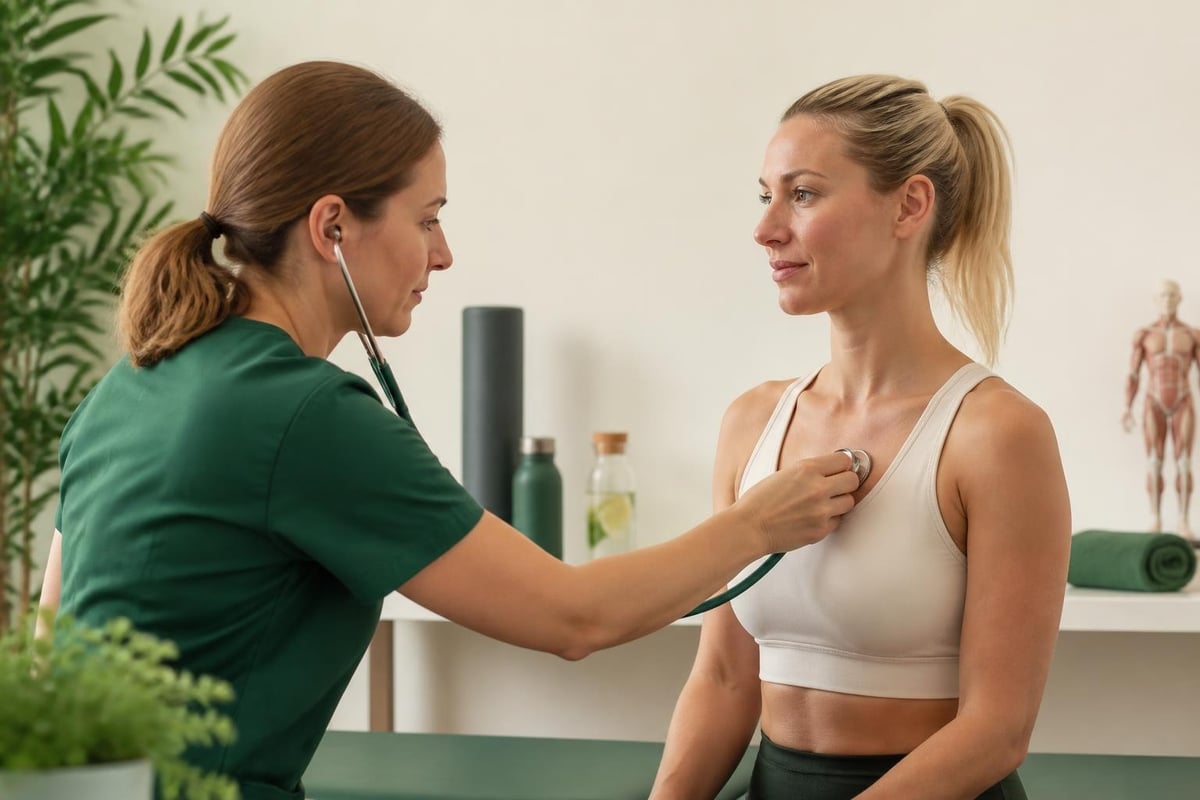
Contrast therapy is generally safe for healthy adults, but certain conditions warrant caution or medical clearance.
Avoid contrast therapy if you have:
- Uncontrolled hypertension or cardiovascular disease
- Recent heart attack, stroke, or arrhythmia
- Raynaud's disease or severe cold sensitivity
- Open wounds, infections, or acute injuries
- Pregnancy (consult your doctor first)
General safety tips:
- Hydrate before, during, and after sessions.
- Never use alcohol before or during contrast therapy.
- Keep sessions short initially; build tolerance gradually.
- Have a partner nearby if you're new to cold immersion.
- Exit immediately if you feel faint, nauseated, or disoriented.
The American Medical Association's explainer on cold plunges and contrast therapy highlights that while benefits are real, risks exist for those with underlying conditions. Always prioritize safety over intensity.
Designing Your Backyard Contrast Setup
Integrating contrast therapy into your home requires thoughtful site planning, equipment selection, and realistic expectations about use patterns.
Site Layout and Practical Considerations
Place your sauna and cold plunge close enough for quick transitions but with sufficient space for safe movement. Wet, cold feet on slippery decking are a real hazard.
Ideal setup elements:
- Non-slip pathways: Textured composite decking, stone pavers, or rubberized mats between sauna and plunge.
- Drainage: Both sauna and plunge generate significant water runoff. Slope surfaces away from structures; consider French drains or gravel beds.
- Privacy screening: Fencing, tall grasses, or strategically placed trees create a secluded wellness zone.
- Shelter (optional): A pergola or roof over the plunge area reduces debris and keeps snow or leaves out in winter.
For homeowners exploring square outdoor sauna designs, the Scandinavian aesthetic and modular footprint pair well with minimalist cold-plunge setups. A clean, geometric layout emphasizes the ritual of moving between heat and cold.
Seasonal Adjustments: Winter and Summer Protocols
Contrast therapy benefits shift with the seasons, and your setup should adapt.
Winter (November–March):
- Sauna heat is easier to maintain; outdoor air temperature naturally cools the plunge.
- In very cold climates (below -10°C), you may need a chiller or insulated tub to prevent freezing.
- Shorter cold phases (1–2 minutes) are often sufficient when ambient air is cold.
- Dry off quickly indoors to avoid excessive heat loss.
Summer (June–September):
- Cold plunge requires active cooling (ice, chiller) to stay below 15°C.
- Longer heat phases feel more challenging; adjust duration or lower sauna temperature slightly.
- Outdoor showers or hose rinses can substitute for full immersion on very hot days.
- Evening sessions take advantage of cooler ambient temperatures.
Year-round use is one reason Thermowood construction appeals to serious sauna users. The material withstands freeze-thaw cycles and resists warping, making maintenance simpler across seasons.
Comparing Contrast Therapy to Other Recovery Modalities
Contrast therapy benefits are well-documented, but they aren't the only option for recovery. Understanding trade-offs helps you decide where to invest time and money.
| Recovery Modality | Primary Benefit | Time Required | Equipment Cost | Best For |
|---|---|---|---|---|
| Contrast therapy (sauna + cold) | Vascular pumping, soreness reduction | 30–45 min | High (sauna + plunge) | Regular home use, full-body recovery |
| Cold immersion only | Acute inflammation control, mental challenge | 5–10 min | Low to moderate | Post-workout, limited space |
| Heat-only (sauna) | Relaxation, cardiovascular conditioning | 15–30 min | Moderate to high | Stress relief, general wellness |
| Compression therapy | Localized swelling reduction | 20–30 min | Moderate | Targeted limb recovery |
| Massage or foam rolling | Myofascial release, range of motion | 15–20 min | Low | Soft-tissue work, mobility |
A network meta-analysis comparing hydrotherapy and cryotherapy ranked contrast water therapy among the top modalities for reducing soreness, though no single method proved universally superior across all metrics. Your choice depends on your goals, budget, and how often you'll actually use the equipment.
Common Mistakes and How to Avoid Them
Even experienced users make missteps that reduce effectiveness or increase risk.
Mistake 1: Skipping the Warm-Up
Jumping into a sauna at full heat or plunging into ice water without gradual exposure shocks your system unnecessarily. Spend 2–3 minutes in moderate warmth (or lukewarm water) before ramping up intensity.
Mistake 2: Extending Cold Exposure Too Long
More isn't always better. Cold immersion beyond 5 minutes offers diminishing returns for most people and increases hypothermia risk. If you're shivering violently, you've gone too long.
Mistake 3: Ignoring Hydration
Sauna sessions cause significant fluid loss. Dehydration impairs thermoregulation and makes cold exposure harder to tolerate. Drink 500 mL of water before starting, and sip between cycles.
Mistake 4: Inconsistent Practice
Contrast therapy benefits accumulate with regular use. Sporadic sessions deliver some acute relief, but adaptations in vascular function, stress resilience, and recovery speed require weeks to months of consistent practice.
Mistake 5: Using Alcohol or Stimulants
Alcohol blunts your ability to sense dangerous temperature extremes and impairs judgment. Stimulants like pre-workout supplements or excessive caffeine can amplify cardiovascular stress during heat and cold phases. Save both for after your session.
Long-Term Outcomes: What to Expect After Months of Consistent Use
Short-term contrast therapy benefits, like reduced soreness, appear within days. Longer-term adaptations take patience.
After 4–8 weeks of regular use:
- Improved cold tolerance: Your initial shock response diminishes; cold plunges feel less daunting.
- Better cardiovascular fitness markers: Some users see modest improvements in resting heart rate and heart rate variability.
- Enhanced recovery perception: You bounce back faster from hard workouts, with less lingering stiffness.
- Mental resilience: The practice of moving through discomfort builds confidence that carries into other areas of life.
After 3–6 months:
- Vascular adaptation: Blood vessels respond more efficiently to temperature changes, potentially supporting better circulation.
- Reduced baseline inflammation: Some users report fewer joint aches and improved skin quality.
- Habit integration: Contrast sessions become a non-negotiable part of your routine, like brushing your teeth.
A scoping review on clinical uses of contrast therapy noted that while acute benefits are well-supported, long-term outcomes depend heavily on adherence and individual variability. Consistency matters more than intensity.
Integrating Contrast Therapy with Training and Daily Life
For athletes, contrast therapy fits naturally after hard training sessions. For non-athletes, it can become a weekly or biweekly ritual focused on stress relief and general wellness.
Sample weekly schedule (active individual):
- Monday: Strength training, 3-cycle contrast session (15 min heat, 3 min cold)
- Wednesday: Cardio workout, cold plunge only (5 min)
- Friday: Strength training, 3-cycle contrast session
- Sunday: Sauna-only relaxation (20 min)
Sample weekly schedule (general wellness):
- Tuesday evening: 2-cycle contrast session after work (10 min heat, 2 min cold)
- Saturday morning: 3-cycle session as a weekend ritual
Adjust frequency based on your recovery needs, schedule, and access to equipment. Even one well-executed session per week delivers measurable contrast therapy benefits.
Final Considerations: Is Contrast Therapy Right for You?
Contrast therapy offers a compelling set of benefits for anyone willing to invest the time, equipment, and mental energy. It's not a magic cure, and it won't replace smart training, nutrition, or sleep. But as part of a balanced wellness strategy, the practice can sharpen recovery, improve circulation, and build resilience in ways that few other modalities match.
Before committing to a full backyard setup, try contrast sessions at a local gym, spa, or wellness center. Pay attention to how your body responds. If you feel noticeably better the next day, and you enjoy the ritual, a home installation makes sense.
If you already have a sauna or are planning to add one, pairing it with a simple cold-plunge setup is a natural next step. The investment pays off in daily use, long-term health outcomes, and the quiet satisfaction of mastering a challenging practice.
For homeowners ready to bring authentic Finnish sauna culture and effective contrast therapy into their backyard, a well-designed outdoor sauna and thoughtful cold-plunge setup creates a wellness space that grows more valuable with every session. Whether you're aiming for faster recovery, mental clarity, or simply a more intentional approach to self-care, the combination of heat and cold offers a proven path forward.
Alternating between heat and cold delivers real, measurable benefits for recovery, circulation, and resilience when practiced consistently and safely. If you're ready to build a backyard wellness routine grounded in Finnish sauna tradition and evidence-based contrast protocols, RecoSauna can help you choose the right outdoor sauna and complementary cold-plunge setup for your home, climate, and long-term goals.
Share:
Buy Sauna: Complete Guide to Choosing the Right Model
Hotbox Sauna: Design, Performance & Buying Guide 2026