

The idea that saunas for detoxification can help cleanse the body has deep cultural roots and modern marketing momentum. Finnish sauna culture has always emphasized purity and renewal, while recent wellness trends highlight heavy-metal elimination and chemical removal through sweating. Yet the science behind detoxification claims is more nuanced than most marketing suggests. Understanding what saunas can and cannot do helps you set realistic expectations and make informed choices about adding sauna bathing to your wellness routine.
What Does Detoxification Actually Mean?
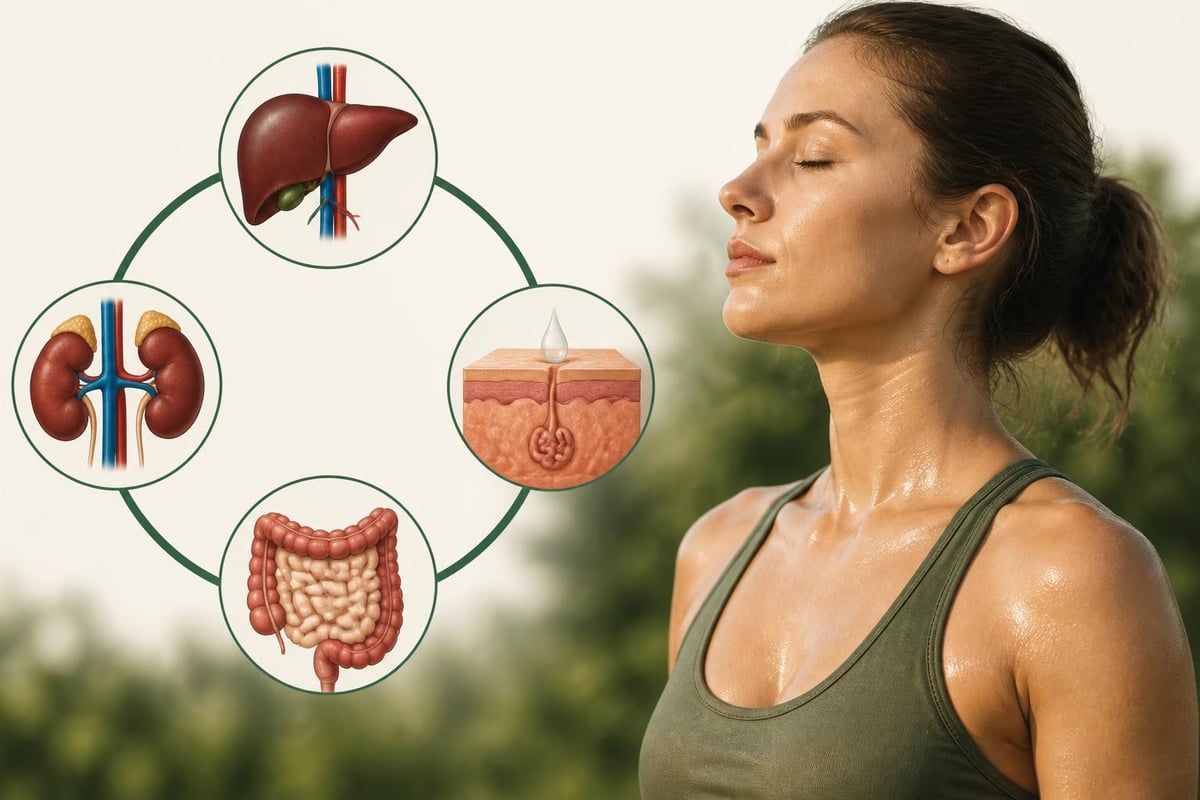
When people talk about detoxification, they usually refer to eliminating harmful substances accumulated through environmental exposure, diet or lifestyle. The human body already has sophisticated detoxification systems built in.
Your primary detox organs include:
- The liver, which metabolizes drugs, alcohol and environmental chemicals
- The kidneys, which filter waste products from blood into urine
- The digestive tract, which eliminates solid waste and hosts microbiota that process toxins
- The lungs, which expel volatile compounds with each breath
- The skin, which secretes small amounts of waste through sweat glands
These systems work continuously without needing special interventions. The question is whether using saunas for detoxification enhances or accelerates these natural pathways in meaningful ways.
What Sweat Actually Contains
Human sweat is approximately 99% water. The remaining 1% includes electrolytes (sodium, potassium, chloride), small amounts of urea, lactate and trace minerals. When researchers have analyzed sweat composition under controlled conditions, they find that most waste products exit the body primarily through urine and feces, not sweat.
Research measuring excretion of heavy metals in sweat shows that nickel, lead, copper, arsenic and mercury do appear in sweat samples, but in quantities far smaller than what kidneys eliminate daily. This doesn't mean sweating provides zero benefit, it means the effect is modest and should be understood in context.
Evidence Supporting Saunas for Detoxification
While sweating alone isn't a magic detox mechanism, regular sauna use does appear to support the body's natural elimination systems through several pathways.
Heat Stress and Metabolic Activity
When you sit in a sauna, your core body temperature rises. Your heart rate increases, blood vessels dilate and circulation improves. This metabolic activation may help mobilize fat-soluble compounds stored in adipose tissue, making them available for liver processing and kidney elimination.
A pilot study on infrared sauna and chemical metabolites measured organophosphate and pyrethroid insecticide metabolites in urine and sweat after sauna sessions. Participants showed detectable levels of these synthetic chemicals in sweat, suggesting that heat exposure can encourage excretion of certain fat-soluble toxins over time.
Cardiovascular and Lymphatic Circulation
Improved blood flow during sauna bathing enhances nutrient delivery and waste removal at the cellular level. Better circulation supports kidney function and helps the lymphatic system move metabolic waste toward elimination pathways.
Circulation benefits include:
- Increased blood flow to skin and organs
- Enhanced lymphatic drainage
- Improved oxygen delivery to tissues
- Faster removal of metabolic byproducts like lactic acid
These effects support overall metabolic health, which indirectly aids detoxification.
Skin as a Secondary Elimination Route
Although the skin is not a primary detox organ, it does excrete small amounts of heavy metals, BPA metabolites and persistent organic pollutants. Regular sweating sessions may offer a marginal but cumulative benefit for people with higher toxic burdens due to occupational exposure or environmental factors.
| Substance Type | Primary Elimination Route | Sweat Contribution |
|---|---|---|
| Water-soluble toxins | Kidneys (urine) | Minimal |
| Fat-soluble compounds | Liver → bile → feces | Small but measurable |
| Heavy metals | Kidneys (urine) | Trace amounts |
| Volatile chemicals | Lungs (breath) | Very small |
This table shows that saunas for detoxification work best as a complement to your body's main systems, not a replacement.
What Saunas Cannot Do
It's equally important to understand the limits of sauna-based detoxification.
They Don't Replace Medical Treatment
If you have a diagnosed condition involving toxin exposure or organ dysfunction, sauna bathing is not a medical intervention. Conditions like heavy-metal poisoning, kidney disease or liver impairment require professional medical care. Harvard Health's overview of sauna use emphasizes that while saunas offer real cardiovascular and stress-relief benefits, they should not be viewed as a cure or standalone detox therapy.
Sweating Does Not Eliminate Most Toxins
The majority of metabolic waste and environmental toxins leave your body through urine and feces. National Geographic's investigation into sweating and toxins explains that sweat's primary role is thermoregulation, not detoxification. The small amounts of waste found in sweat are not clinically significant compared to what your kidneys process daily.
Marketing Often Overstates Benefits
Many infrared sauna brands make bold claims about removing specific toxins, purging chemicals or reversing chronic illness. Science-Based Medicine's review of infrared sauna detox claims points out that most of these marketing messages rely on preliminary studies, small sample sizes or theoretical mechanisms that haven't been validated in rigorous clinical trials.
When evaluating saunas for detoxification, look for evidence-based claims and be skeptical of products promising dramatic results.

Traditional vs. Infrared Saunas for Detoxification
Both traditional Finnish saunas and infrared models can support sweating and circulation, but they work differently.
Traditional Finnish Saunas
Traditional saunas heat the air to 70–90°C (160–195°F) and use water poured over heated rocks to create steam (löyly). This combination drives deep, vigorous sweating and significant cardiovascular response.
Characteristics of traditional sauna bathing:
- High ambient temperature creates intense heat stress
- Humidity varies with löyly, affecting perceived heat and sweat rate
- Cultural practice includes cooling periods and hydration
- Sessions typically last 10–20 minutes with breaks
The physiological response in a traditional sauna is well-documented and includes improved endothelial function, reduced blood pressure and enhanced heart rate variability.
Infrared Saunas
Infrared saunas use radiant heat panels to warm your body directly, with lower ambient air temperatures (usually 50–65°C or 120–150°F). Advocates claim that infrared penetrates deeper and mobilizes more fat-soluble toxins, but comparative studies are limited.
Infrared sauna characteristics:
- Lower air temperature, often more comfortable for longer sessions
- Direct radiant heating of skin and subcutaneous tissue
- Less intense cardiovascular load compared to traditional saunas
- Popular in wellness and spa settings
Both types can promote sweating and circulation. The choice depends on personal preference, health status and cultural connection. If you're drawn to authentic Finnish sauna culture and löyly, a traditional outdoor sauna will deliver a richer experience. Buyers interested in infrared options can explore the infrared sauna collection to compare features and heating technologies.
How to Use Saunas for Detoxification Safely
If you want to incorporate sauna bathing into a wellness routine focused on supporting natural detoxification, follow these practical guidelines.
Start Gradually
If you're new to sauna use, begin with shorter sessions at moderate temperatures. Your body needs time to adapt to heat stress.
- Start with 10-minute sessions at lower temperatures
- Increase duration and heat as you become accustomed
- Listen to your body and exit if you feel dizzy or unwell
Hydrate Before, During and After
Sweating depletes fluid and electrolytes. Proper hydration is essential for kidney function and safe heat exposure.
Hydration tips:
- Drink water or electrolyte beverages before entering the sauna
- Keep water nearby and sip during breaks
- Rehydrate thoroughly after your session
The World Health Organization's guidance on heat and health highlights the importance of managing heat exposure, especially for vulnerable groups.
Cool Down and Rest
Alternate sauna sessions with cooling periods. In Finnish tradition, this might involve a cold plunge, shower or simply resting in fresh air. Cooling cycles enhance circulation benefits and make longer sessions more sustainable. Pairing your outdoor sauna with a cold plunge adds the contrast therapy dimension that many wellness-focused homeowners value.
Frequency and Consistency
Regular sauna use appears to offer more benefits than occasional sessions. Finnish studies showing cardiovascular and longevity benefits typically involve 4–7 sessions per week.
| Frequency | Likely Benefit Level | Practical Considerations |
|---|---|---|
| 1–2 times/week | Modest relaxation and circulation support | Easy to maintain, low time commitment |
| 3–4 times/week | Moderate cardiovascular and metabolic benefits | Requires routine habit, good hydration |
| 5–7 times/week | Maximum documented health benefits | Demands lifestyle integration, year-round access |
Consistency matters more than intensity. A moderate sauna routine sustained over months or years will outperform sporadic high-heat sessions.
Know When to Avoid Sauna Use
Certain health conditions make sauna bathing risky. Consult your doctor before starting if you have:
- Cardiovascular disease or unstable angina
- Uncontrolled hypertension
- Recent heart attack or stroke
- Pregnancy (especially first trimester)
- Acute illness or fever
Do not use saunas while intoxicated or under the influence of substances that impair judgment or thermoregulation.

Choosing an Outdoor Sauna That Supports Your Wellness Goals
If you're ready to add sauna bathing to your home wellness routine, selecting the right sauna involves balancing size, materials, heating options and features that support regular year-round use.
Thermowood vs. Nordic Pine
Thermowood undergoes a high-temperature treatment that reduces moisture absorption, increases dimensional stability and extends outdoor durability. It's the preferred material for homeowners in climates with freeze-thaw cycles, high humidity or significant temperature swings.
Nordic Pine offers a lighter appearance and natural warmth at a lower price point. It's well-suited to temperate climates and buyers who prioritize aesthetics and budget.
For serious wellness users planning 3+ sessions per week in all seasons, Thermowood construction provides the long-term performance and low maintenance that make consistent sauna bathing easier.
Sizing for Regular Use
A sauna that's too small feels cramped and discourages regular use. A model that's too large takes longer to heat and uses more energy.
Sizing guide:
- 2–3 people: 2.3 × 2.3 m models offer a compact footprint with comfortable bench space
- 4–6 people or families: 3.0 × 2.3 m models provide generous room for L-shaped benches and better heat circulation
- Dedicated changing space: Comfort models with a 1 m changing room add privacy and convenience for pre- and post-sauna routines
The RecoSauna Sisu Square Sauna 3.0 × 2.3 m in Thermowood is a strong choice for buyers prioritizing regular detox-focused sauna bathing. Its spacious interior, durable Thermowood construction and flexible bench layout support consistent year-round use, whether you're practicing solo sessions or sharing the experience with family.
Heater Choice: Electric vs. Wood-Burning
Electric heaters offer convenience, precise temperature control and faster warmup, making them ideal for frequent users who value routine and simplicity. They're also easier to install in suburban or urban settings with electrical service.
Wood-burning heaters deliver authentic löyly and a traditional sauna experience. They require more attention, regular wood supply and proper ventilation, but many sauna enthusiasts prefer the ritual and sensory richness.
Installation and Foundation
Outdoor saunas need a stable, level foundation. Options include concrete pads, paver bases or treated-wood platforms. Proper drainage and airflow underneath the sauna extend its lifespan and prevent moisture issues.
Most RecoSauna models arrive as prebuilt sections or kits with detailed assembly instructions. Many homeowners complete installation themselves over a weekend with help from one or two friends. If you prefer professional installation, local contractors experienced with outdoor structures can handle setup.
Complementary Practices That Enhance Detoxification
Saunas for detoxification work best as part of a broader wellness strategy.
Nutrition and Hydration
A diet rich in fiber, antioxidants and micronutrients supports liver and kidney function. Drinking plenty of clean water helps kidneys flush metabolic waste efficiently.
Foods that support detox pathways:
- Cruciferous vegetables (broccoli, kale, Brussels sprouts) for liver enzyme support
- Berries and leafy greens for antioxidant protection
- Adequate protein for liver detoxification enzymes
- Healthy fats to support fat-soluble nutrient absorption
Regular Exercise
Physical activity increases circulation, supports lymphatic drainage and enhances metabolic function. Exercise and sauna use are complementary practices, both encouraging sweating and cardiovascular health.
Quality Sleep
Sleep is when your body conducts deep cellular repair and waste removal. The glymphatic system, which clears metabolic waste from the brain, is most active during sleep. Sauna sessions in the evening can promote relaxation and improve sleep quality.
Stress Management
Chronic stress impairs detoxification by disrupting hormonal balance and reducing digestive and immune function. Sauna bathing is a proven stress-reduction tool, lowering cortisol and promoting parasympathetic nervous system activity.
Realistic Expectations and Long-Term Benefits
Saunas for detoxification won't erase years of poor lifestyle choices or eliminate all environmental toxins overnight. What they can do is support your body's existing systems, improve circulation, encourage healthy sweating and create a calming ritual that promotes overall wellness.
The Finns have used sauna bathing for centuries not because it's a miracle cure, but because it feels good, strengthens resilience and fosters a habit of self-care. That's the real value. When you step into your backyard sauna regularly, you're investing in cardiovascular health, stress relief, better sleep and a deeper connection to your body's rhythms.
If your goal is to reduce toxic burden over time, combine sauna use with clean eating, regular movement, adequate hydration and minimizing exposure to environmental pollutants. That integrated approach delivers results that sauna bathing alone cannot.
Saunas for detoxification offer real but modest support for your body's natural elimination systems, primarily through enhanced circulation and regular sweating. The benefits are best realized through consistent, long-term practice rather than occasional sessions. RecoSauna brings authentic Finnish sauna culture to North American backyards, offering premium Thermowood models designed for year-round use, Nordic aesthetics and the kind of reliable performance that makes it easy to build a sustainable sauna routine. Browse the collection and find the outdoor sauna that fits your space, climate and wellness goals.
Share:
Sauna Hot: Temperature, Safety & Authentic Heat in 2026
Modern Outdoor Sauna: Complete 2026 Buyer's Guide