

When you start looking for a home sauna, the sheer number of manufacturers and approaches can feel overwhelming. One name that often appears in searches is Heavenly Heat Sauna, a maker of low-EMF infrared cabins designed for indoor use. Understanding what a heavenly heat sauna offers, how it differs from traditional Finnish saunas, and where each approach fits different homes and lifestyles will help you make a more confident decision. This article walks through the Heavenly Heat model, weighs the trade-offs between infrared and traditional heat, and outlines what to consider if you're choosing a backyard wellness space in 2026.
What Is a Heavenly Heat Sauna?
Heavenly Heat Saunas is a United States–based manufacturer that specializes in pre-built infrared sauna cabins. According to the Heavenly Heat company page, the brand focuses on low electromagnetic field (EMF) emissions, custom sizing and natural wood construction, primarily for indoor installation.
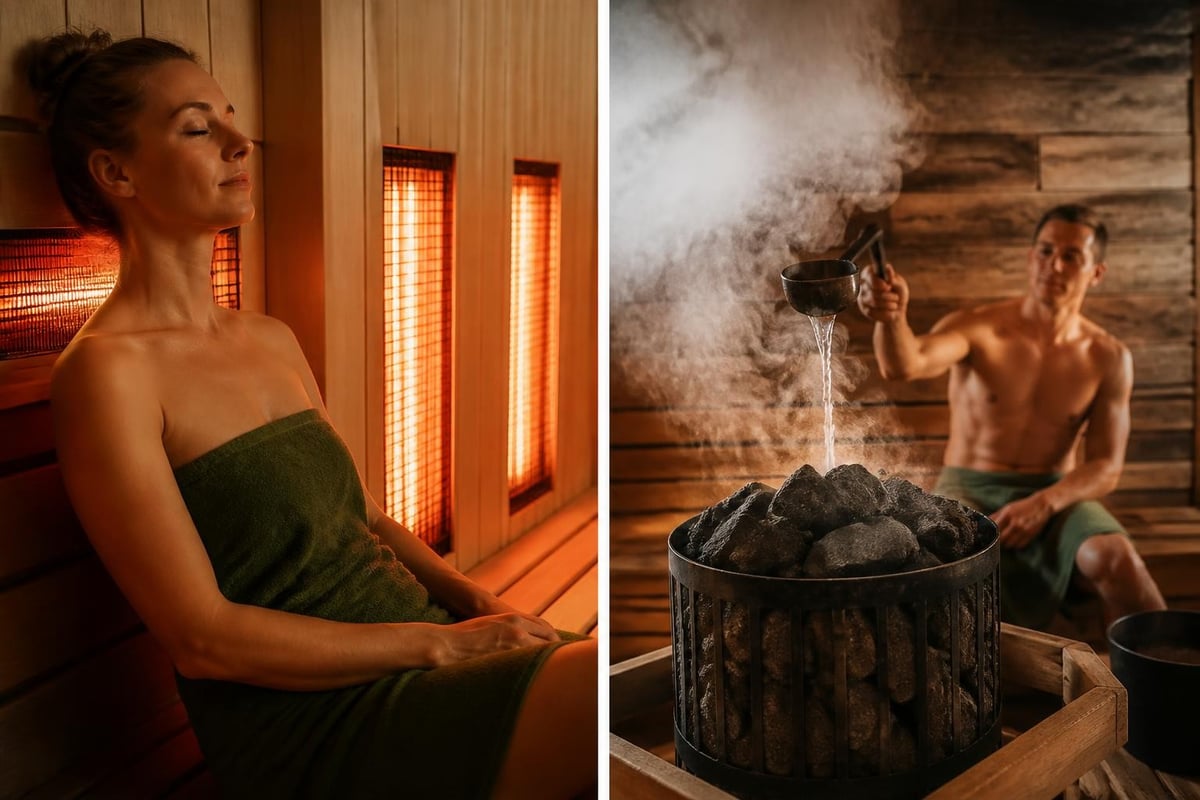
A heavenly heat sauna uses carbon or ceramic infrared emitters rather than a traditional sauna heater and rocks. Infrared energy heats your body directly instead of warming the air to high temperatures. Cabinet interiors typically remain between 120°F and 150°F, much cooler than the 160°F to 195°F range you experience in a Finnish sauna. The lower ambient temperature appeals to users who find traditional heat uncomfortable or have been advised to avoid high-heat environments.
Indoor-Only Design and Installation
Heavenly Heat cabins are engineered for climate-controlled indoor spaces. Wall panels, joints and electrical components are not weatherproofed for outdoor exposure, freeze-thaw cycles or direct sun. You'll need a dedicated room, basement corner or garage space with standard electrical service and adequate ventilation.
If you're planning an outdoor sauna, a heavenly heat sauna is not compatible with backyard installation. Rain, snow and temperature swings will compromise cabinet integrity and void manufacturer coverage.
Infrared Versus Traditional Finnish Sauna Heat
The core trade-off centers on heat source and the resulting experience. Each approach delivers distinct benefits and limitations.
| Feature | Heavenly Heat (Infrared) | Finnish Traditional Sauna |
|---|---|---|
| Heat source | Carbon/ceramic emitters | Electric or wood heater + stones |
| Cabin temperature | 120–150°F | 160–195°F |
| Humidity | Dry (no steam) | Adjustable with löyly (steam) |
| Warm-up time | 10–15 minutes | 30–45 minutes |
| Installation | Indoor only | Indoor or outdoor |
| Ventilation | Moderate | High air exchange |
| Cultural experience | Wellness-tech focus | Finnish bathing tradition |
Traditional Finnish saunas use a heater that warms a mass of rocks. You throw water (löyly) onto the hot stones to create bursts of soft steam, which raises perceived heat and creates the signature Finnish sauna experience. This ritual of heat, steam and cooling has been refined over centuries and is backed by extensive research on cardiovascular and metabolic health.
Infrared cabins skip the rocks, steam and high air temperature entirely. Some users prefer the gentler warmth; others miss the deep, enveloping heat and the sensory satisfaction of throwing water. There's no single "better" choice, only a better fit for your goals and space.
EMF Levels and Safety Context
Heavenly Heat emphasizes low electromagnetic field emissions, a feature that resonates with buyers concerned about prolonged exposure. The company positions its carbon heaters as producing minimal EMF at body distance.
Context matters. The International Commission on Non-Ionizing Radiation Protection (ICNIRP) publishes science-based exposure limits for electromagnetic fields. Typical residential infrared saunas, including Heavenly Heat models, operate well below these reference levels. Traditional electric sauna heaters also generate EMF, though the largest source in any home is often the electrical panel, kitchen appliances and Wi-Fi routers.
If EMF is a priority, verify published test data and measure at seated distance. For most users, heater choice, cabinet size and installation quality have a larger impact on daily satisfaction than minor EMF variation.
Materials, Ventilation and Indoor Air Quality
A heavenly heat sauna is typically built with solid wood paneling, often Western Red Cedar or Basswood. Cedar offers natural resistance to moisture and a pleasant aroma, though it can release volatile organic compounds (VOCs) when heated. Basswood is marketed as low-odor and hypoallergenic.
Heat accelerates off-gassing from any wood or adhesive. The EPA's formaldehyde exposure assessment confirms that elevated temperature and humidity increase VOC release from wood and composite products. Proper ventilation is essential in any indoor sauna, whether infrared or traditional.
Ventilation Requirements
- Infrared cabins: Require continuous fresh air to prevent stale air and odor buildup, though humidity stays low.
- Traditional saunas: Demand high air exchange to manage steam, moisture and cabin temperature. Outdoor saunas naturally benefit from external ventilation and weatherproof construction.
If you install any indoor sauna, budget for a dedicated vent fan or passive air inlet/outlet. Skipping ventilation traps moisture, accelerates wood degradation and creates an uncomfortable environment.
Sizing, Capacity and Layout Flexibility
Heavenly Heat offers custom sizing, allowing you to specify cabin dimensions that fit your available room. Standard models accommodate one to four users, with bench configurations designed for seated or reclining posture.
Custom sizing is convenient for tight indoor spaces but limits your ability to relocate the cabin later. Outdoor saunas, by contrast, are freestanding structures you can reposition or take with you if you move.
When evaluating size, consider:
- Headroom: Infrared cabins are often shorter than traditional saunas; verify interior height if you're tall or prefer standing.
- Bench depth: Reclining layouts require deeper benches (at least 24 inches); seated-only designs save floor space.
- Footprint: Measure your intended room and include clearance for door swing and ventilation access.
- User count: Manufacturer capacity ratings assume close seating; real comfort often requires a size larger than the stated count.
Installation, Electrical and Code Compliance
A heavenly heat sauna arrives as a kit with pre-cut panels, benches, heaters and wiring harnesses. Assembly typically takes one to two people a full day, depending on cabin size and experience.
Electrical Requirements
Most infrared cabins run on standard 120V or 240V household circuits. Verify your panel capacity and use a dedicated circuit breaker sized to the heater load. The SaunaFin installation guide references National Electrical Code (NEC) requirements and safe wiring practices applicable to any home sauna.
Hire a licensed electrician for the final connection. DIY wiring voids most warranties and creates liability if something goes wrong.
Permits and Inspections
Indoor sauna installations may require a building permit, depending on local jurisdiction and whether you're modifying walls, ventilation or electrical service. Check with your municipal building department before starting assembly. Outdoor saunas often trigger additional setback, foundation and structural permits.
Health Claims and Evidence Base
Infrared sauna marketing often highlights detoxification, weight loss and pain relief. While heat exposure does offer real benefits, it's important to separate verified research from promotional language.
A systematic review of passive heating trials found modest improvements in vascular function and cardiometabolic markers from regular sauna use, both infrared and traditional. Benefits are most consistent when combined with other healthy lifestyle factors, as outlined in Kunutsor's 2023 Finnish sauna review.
What the evidence supports:
- Improved circulation and endothelial function from repeated heat exposure
- Modest reductions in blood pressure and arterial stiffness
- Enhanced relaxation and stress reduction
- Support for post-exercise recovery in some populations
What lacks strong evidence:
- Elimination of environmental toxins through sweat (the liver and kidneys handle detoxification)
- Significant calorie burn or weight loss beyond temporary water loss
- Treatment of chronic disease as a standalone therapy
Use your sauna as part of a broader wellness routine, not a replacement for medical care, exercise or good nutrition.

Cost, Warranty and Long-Term Value
Heavenly Heat saunas are priced in the mid-to-upper range for infrared cabins, typically between $3,000 and $8,000 depending on size and customization. Warranty terms vary by component; verify coverage length for heaters, wood and electrical parts before purchasing.
Compare total cost of ownership, not just upfront price:
- Energy use: Infrared cabins draw less power than high-output electric heaters, reducing monthly utility cost.
- Maintenance: Sealed indoor cabins require periodic cleaning and occasional heater replacement; outdoor saunas need seasonal weatherproofing and wood treatment.
- Lifespan: Indoor infrared cabins can last 10–15 years with minimal maintenance; outdoor traditional saunas built with Thermowood or quality cedar can exceed 20 years.
- Resale value: Permanent outdoor saunas often add measurable value to a property; portable indoor cabins are harder to transfer or sell.
If you're budgeting for long-term backyard wellness, factor in outdoor sauna cost beyond the cabin itself: foundation prep, electrical trenching, landscaping and complementary cold-plunge setups.
When a Heavenly Heat Sauna Makes Sense
An infrared cabin like Heavenly Heat fits specific scenarios well:
- You have only indoor space available and cannot install an outdoor structure.
- You prefer lower cabin temperatures and dry heat over traditional steam.
- You want faster warm-up times and lower energy consumption.
- You're sensitive to high heat due to medical conditions or personal preference.
- You prioritize low EMF and have verified manufacturer test data.
If those priorities align with your needs, a heavenly heat sauna delivers a functional, straightforward infrared experience.
When a Traditional Outdoor Sauna Is the Better Fit
Most homeowners serious about year-round sauna use, authentic Finnish heat and long-term property value choose a traditional outdoor sauna. Here's why:
Year-Round Outdoor Durability
Outdoor saunas built with Thermowood or Nordic Pine handle freeze-thaw cycles, rain, snow and direct sun without degradation. Thermowood is thermally modified to resist rot, warp and moisture absorption, making it ideal for North American climates from Minnesota winters to Pacific Northwest rain.
Authentic Löyly and Heat Experience
A properly sized electric or wood-burning heater with a full load of stones creates the soft, enveloping heat and steam bursts that define Finnish sauna culture. You control humidity by adjusting water frequency, tailoring each session to your preference.
Flexible Layouts and Changing Rooms
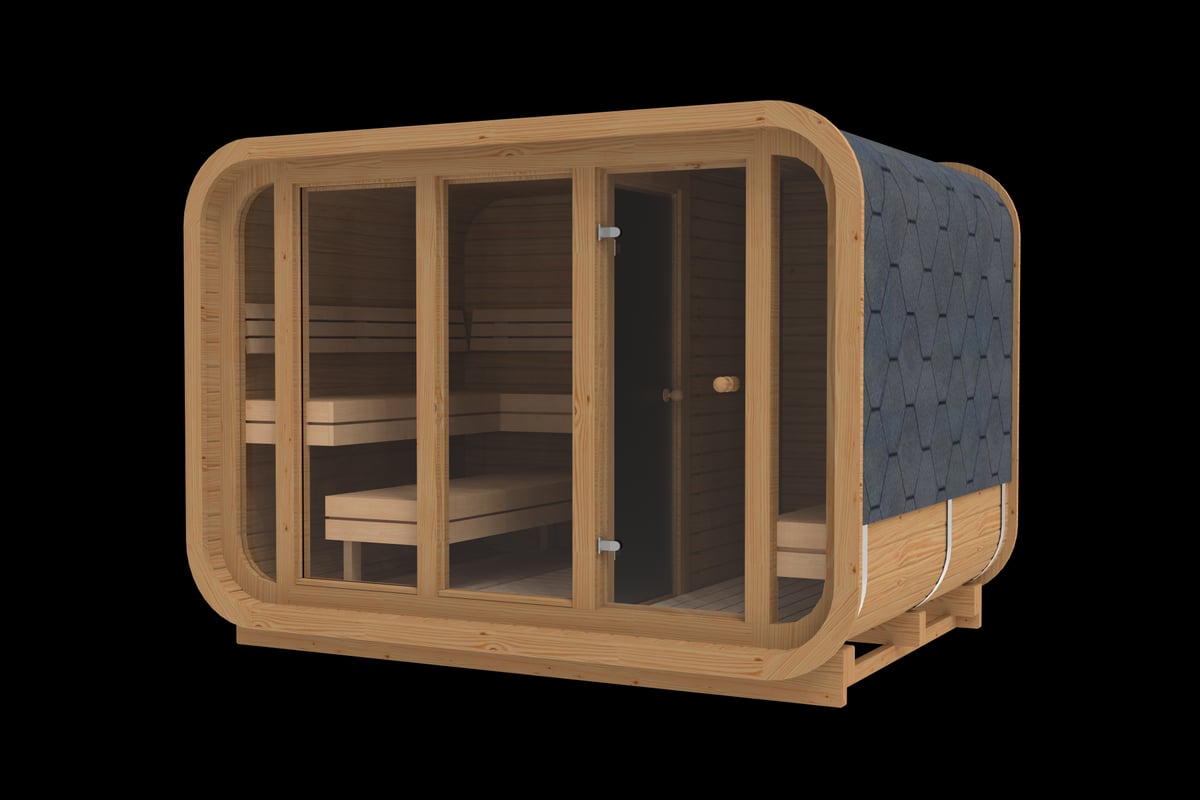
Outdoor sauna models like the RecoSauna Comfort Square Sauna 3.0 × 2.3 m in Thermowood include a dedicated changing room with a bench and internal glass door, adding privacy and convenience before and after each session. The 46 mm solid Thermowood walls and Scandinavian architecture create a complete backyard retreat suited to families, couples or solo use.
Integration with Cold Plunge and Wellness Spaces
Outdoor saunas pair naturally with cold-plunge tubs, outdoor showers and landscaped wellness zones. Contrast therapy (alternating heat and cold) amplifies circulation benefits and creates a spa-like routine at home. If you're planning a pool, patio or outdoor living area, working with experienced contractors like AM Builds CA ensures proper grading, drainage and permitting for the full wellness setup.
Resale and Property Appeal
A well-built outdoor sauna is a permanent landscape feature that adds measurable value to your home. Buyers in wellness-focused markets recognize quality construction, Finnish design and year-round usability.
Choosing Between Infrared and Traditional: A Decision Framework
Use this framework to clarify which approach fits your home, climate and goals:
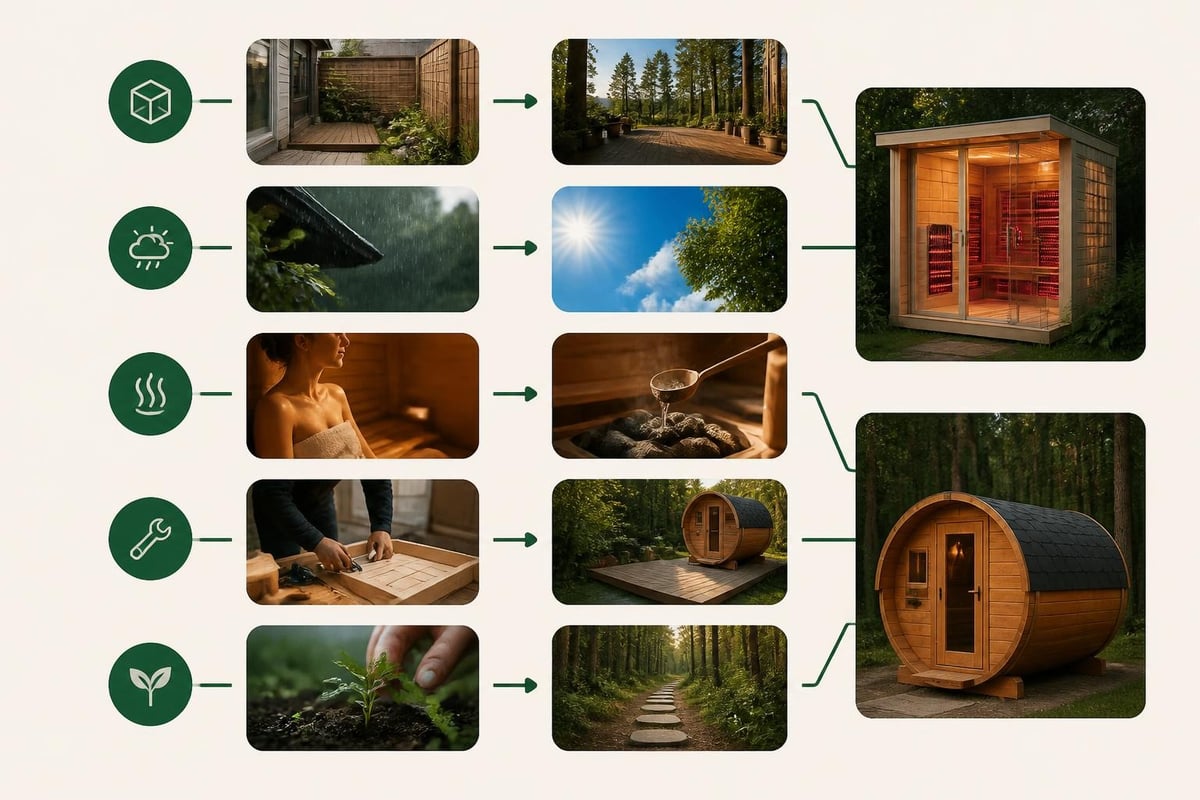
- Space: Do you have outdoor room for a freestanding structure, or only indoor availability?
- Climate: Will the sauna face snow, freezing rain or high summer heat? Outdoor models require weatherproof construction.
- Heat preference: Do you want traditional high heat and steam, or gentler infrared warmth?
- Installation: Are you comfortable with indoor assembly and ventilation work, or do you prefer a turnkey outdoor install?
- Long-term vision: Is this a temporary wellness experiment, or a permanent backyard feature?
If you answered outdoor, weatherproof, traditional heat, turnkey and permanent, a Finnish-style outdoor sauna is the stronger choice. If you answered indoor, low heat, DIY-friendly and temporary, an infrared cabin makes sense.
Heater Options and Control Systems
Heavenly Heat cabins use proprietary infrared heater panels with digital controls for temperature and session timers. You set your target temperature, wait for warm-up and adjust as needed. There's no water, no rocks and no manual intervention during the session.
Traditional outdoor saunas offer broader heater flexibility:
- Electric heaters: Plug-and-play convenience with thermostat control, fast heat-up and consistent performance. Best for users who want simplicity and year-round reliability.
- Wood-burning heaters: Classic Finnish experience with live flame, slower warm-up and deeper, more radiant heat. Ideal for off-grid locations or buyers who value the ritual of fire-tending.
Both electric and wood options support löyly. You choose heater size based on cabin volume, insulation and desired temperature range.
Maintenance, Cleaning and Seasonal Care
Infrared cabins require periodic interior wiping, heater panel inspection and occasional wood re-sealing. Indoor environments protect the cabinet from weather but concentrate body oils, sweat and dust.
Infrared maintenance checklist:
- Wipe benches and walls after each session with a damp cloth
- Vacuum floor and corners monthly
- Inspect heater panels annually for damage or discoloration
- Reapply wood sealer every 2–3 years if manufacturer recommends
Outdoor traditional saunas demand more attention but reward it with decades of service:
- Clean interior benches and walls monthly
- Treat exterior Thermowood or pine annually with UV-resistant stain or oil
- Check roof, door seals and window gaskets before winter
- Clear snow from roof and ventilation openings after storms
- Inspect heater stones and replace cracked or crumbled pieces
If maintenance feels like a burden, choose simpler materials (Thermowood over untreated pine) and clear designs with fewer joints and crevices.
Alternatives Worth Considering
If a heavenly heat sauna doesn't quite fit, explore these alternatives:
Outdoor Infrared Cabins
A few manufacturers offer weather-resistant infrared models, though they remain rare and expensive. Verify IP (Ingress Protection) ratings for heaters, controls and joints before committing.
Hybrid Infrared-Traditional Saunas
Some indoor models combine a low-output traditional heater with infrared panels, attempting to deliver both experiences. Results are mixed; neither heat source operates at full effectiveness, and complexity increases.
Modular Outdoor Finnish Saunas
Brands like RecoSauna offer pre-cut Thermowood and Nordic Pine cabins designed for straightforward DIY or contractor assembly. You choose cabin size, bench layout, heater type and optional changing rooms or terraces to match your space and vision.
Making Your Final Decision
Start by clarifying your non-negotiables: indoor or outdoor, infrared or traditional, budget ceiling and installation timeline. Then compare specific models, read verified reviews and request spec sheets with exact dimensions, heater output and warranty terms.
A heavenly heat sauna serves indoor-only buyers who prefer infrared heat, lower cabin temperatures and faster sessions. It's a legitimate choice for that use case, supported by a focused manufacturer and clear product positioning.
If your vision includes an outdoor structure, year-round use, authentic Finnish heat, changing rooms and a backyard wellness retreat, traditional outdoor saunas deliver better durability, flexibility and long-term satisfaction. Thermowood models withstand North American winters, support electric or wood heat and integrate seamlessly with cold plunge and landscaping plans.
Choosing the right sauna starts with honest questions about your space, climate and how you want to use the heat. A heavenly heat sauna fits specific indoor needs, while traditional outdoor models offer flexibility, authenticity and lasting value. RecoSauna brings Finnish sauna expertise and Thermowood craftsmanship to North American backyards, helping you build a wellness space that works with your home, your lifestyle and the seasons ahead.
Share:
Sauna with Heater: Complete Guide for North Americans
Sauna Flex: Stretching, Mobility & Warm-Up Guide 2026