

When most North Americans first hear "wet sauna," they picture a steam room or assume it's a completely separate category of heat bathing. In fact, the term describes one of the most essential rituals in authentic Finnish sauna culture: throwing water onto hot stones to create bursts of steam, transforming dry heat into humid, enveloping warmth. This practice, called löyly in Finnish, defines the sauna experience across Scandinavia and increasingly in backyards across the USA and Canada. Understanding the wet sauna concept, how it differs from both dry sauna sessions and dedicated steam rooms, and how to create the right conditions in your own outdoor sauna helps you move past confusion and into confident, informed choices about equipment, design and daily use.
What Is a Wet Sauna?
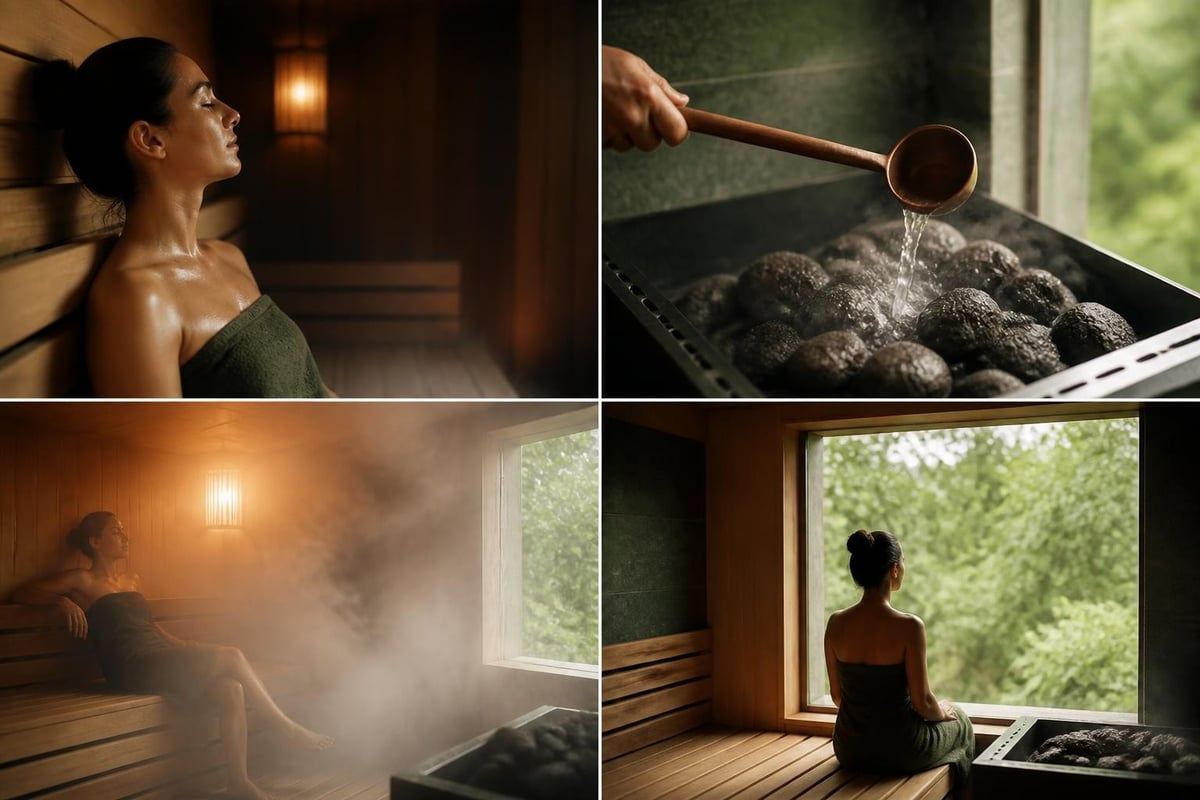
A wet sauna is not a distinct type of sauna construction. It's simply a traditional sauna session in which you periodically pour small amounts of water onto heated stones, raising the humidity and perceived temperature inside the room.
The core elements:
- A traditional wood-lined sauna heated by an electric or wood-burning heater with stones on top
- Temperature typically between 150°F and 195°F (65°C to 90°C)
- Relative humidity that starts low (10–20%) and spikes briefly to 40–60% after each water pour
- The ritual of ladling water onto the stones to create steam, known as löyly
In Finland, this rhythm of dry heat followed by bursts of steam is the standard way to use a sauna. The Finnish Sauna Society provides detailed guidelines on how to throw water, how much to use and when to repeat the cycle during a session.
Wet Sauna vs. Dry Sauna
The distinction between wet and dry sauna is less about equipment and more about how you choose to bathe.
| Aspect | Dry Sauna Session | Wet Sauna Session |
|---|---|---|
| Water on stones | No water thrown | Water ladled regularly |
| Humidity | 5–15% throughout | Spikes to 40–60% after each pour |
| Perceived heat | Milder, more stable | Intense bursts, deeper warmth |
| Breathing | Easy, dry air | Fuller, humid air briefly |
| Cultural practice | Less traditional | Authentic Finnish löyly |
Both sessions happen in the same sauna room. You can have a dry session one day and add water the next, depending on preference, health considerations or the number of bathers.
Wet Sauna vs. Steam Room
A steam room is a completely different environment, designed to maintain near-100% humidity and lower temperatures (110–120°F / 43–49°C). It uses a steam generator, requires tile or waterproof surfaces and has no sauna stones.
Key differences:
- Temperature: Steam rooms run cooler; wet sauna stays hotter with intermittent humidity spikes
- Construction: Steam rooms need fully sealed, waterproof finishes; saunas use natural wood with ventilation
- Equipment: Steam generator vs. sauna heater with stones
- Experience: Continuous moist heat vs. rhythmic dry-wet cycles
The Hot Springs Association's hydrothermal guide outlines design and material requirements for steam rooms, which differ substantially from traditional sauna construction.
How Wet Sauna Works: The Science of Löyly
Löyly is the Finnish word for the steam and spirit created when water meets hot stones. It's also the invisible essence that makes a sauna feel alive.
The Heat Transfer Process
When you ladle water onto stones heated to 400–900°F (200–480°C), the water vaporizes instantly. This steam carries heat energy directly to your skin, increasing the perceived temperature by 10–20°F without changing the air temperature measured by a thermometer.
What happens during a water pour:
- Cold water hits superheated stones
- Flash vaporization creates a burst of steam
- Steam rises and circulates through the room
- Your skin absorbs heat energy from moisture contact
- Humidity drops gradually as ventilation pulls moist air out and fresh air enters
The cycle repeats every few minutes, creating waves of intensity followed by recovery.
Humidity Dynamics in a Wet Sauna
A well-designed sauna maintains low baseline humidity through passive or active ventilation. After each water pour, humidity spikes briefly, then dissipates.
| Phase | Humidity Level | Duration | Effect |
|---|---|---|---|
| Dry heat | 10–20% | 5–10 minutes | Warming, gentle sweating |
| Water pour | 40–60% | 30–90 seconds | Intense heat, deep sweating |
| Recovery | 20–30% | 2–4 minutes | Cooling, breathing easier |
| Repeat | Variable | Throughout session | Rhythmic intensity |
This rhythm prevents the sauna from becoming stuffy or uncomfortably humid while delivering the authentic löyly experience.
Choosing the Right Sauna for Wet Sauna Sessions
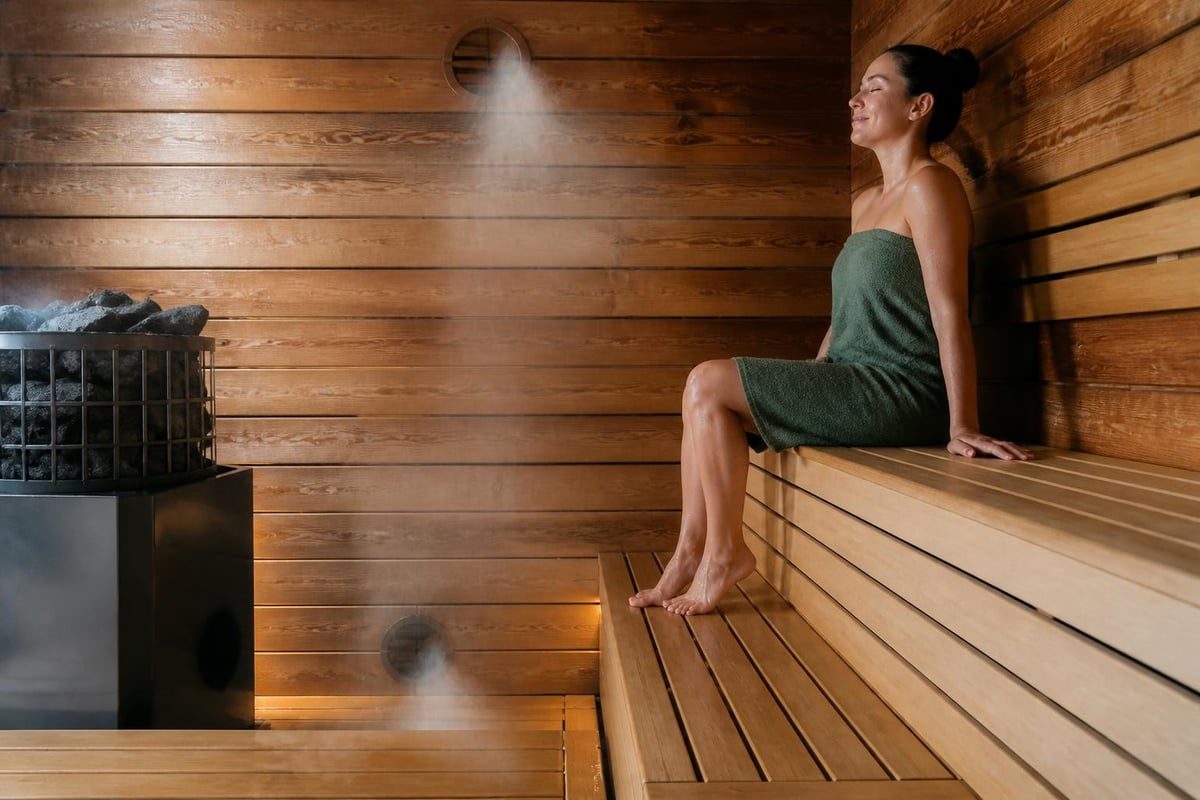
Not all saunas handle moisture equally well. If you plan to enjoy regular wet sauna sessions, pay attention to materials, heater capacity, ventilation and bench layout.
Material Selection: Thermowood and Softwoods
Thermowood is thermally modified wood that resists moisture, warping and mold better than untreated lumber. It's the premium choice for outdoor saunas in climates with freeze-thaw cycles, high humidity or year-round use.
Nordic Pine and other softwoods work well in moderate climates and offer a lighter, traditional Scandinavian appearance. They require proper ventilation and occasional maintenance to handle repeated wet sessions.
Both materials are suitable for wet sauna use when the sauna includes adequate airflow and drainage.
Heater Requirements for Löyly
Your heater must have enough stone mass and power to recover quickly after water pours. Undersized heaters lose temperature, produce weak steam and create uneven heat distribution.
Electric heater guidelines:
- 2–4 person sauna: 6–8 kW with 30–40 lbs of stones
- 4–6 person sauna: 8–10 kW with 50–70 lbs of stones
- Look for models with deep stone chambers, not shallow trays
Wood-burning heater benefits:
- Larger stone mass (100–150 lbs typical)
- Faster recovery after water pours
- Authentic crackling fire ambiance
- No electrical service required
The IEC sauna heater safety standard provides technical requirements for temperature, humidity measurement and safety labeling on electric sauna heaters.
Ventilation Design
Proper airflow prevents moisture accumulation, mold growth and stuffiness. A sauna designed for wet sessions needs:
- Inlet vent positioned low, near or below the heater, allowing fresh air to enter
- Outlet vent positioned high on the opposite wall or ceiling, letting humid air escape
- Adjustable vents so you can control airflow intensity during different seasons
Passive ventilation works well in most backyard saunas. In tightly insulated models or indoor installations, a small powered exhaust fan may be necessary.
The EPA's guidance on moisture control explains how ventilation, surface temperature and humidity interact to prevent mold in high-moisture environments.
Building or Buying a Wet Sauna: Practical Considerations
If you're comparing sauna models or planning a custom build, a few design details make wet sauna sessions safer, more enjoyable and longer-lasting.
Floor and Drainage
Outdoor saunas don't require floor drains for typical wet sauna use. The small amount of water you pour on stones evaporates or is absorbed by ventilation airflow. However, your sauna floor should:
- Slope slightly toward the door or exterior to shed rainwater during construction or cleaning
- Rest on a gravel or concrete pad with good drainage to prevent standing water under the structure
- Use rot-resistant flooring if you plan to rinse the interior or hose down benches occasionally
Indoor wet saunas may benefit from tile or sealed concrete floors if you intend to pour water on the floor itself (a practice more common in public saunas).
Bench Layout and Airflow
Benches should allow bathers to sit at different heights, experiencing varying temperature zones.
Typical layout:
- Upper bench: 18–20 inches below the ceiling, hottest zone, best for experienced bathers
- Lower bench: 18–24 inches below the upper bench, moderate heat, good for beginners or cooling off
- Foot rest or floor seating: Coolest zone, for children or gentle warm-up
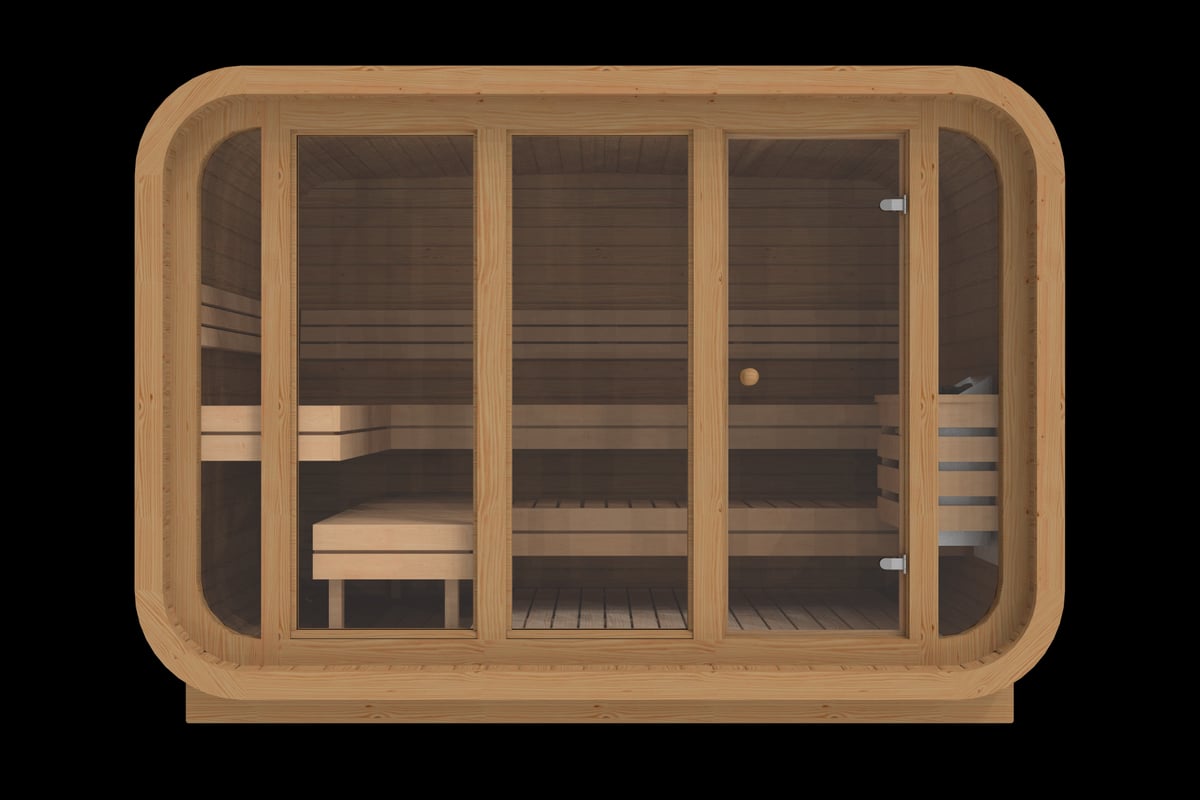
L-shaped benches in larger saunas (such as the RecoSauna Sisu Square Sauna 3.0 × 2.3 m in Thermowood) provide flexible seating, better air circulation around bathers and more efficient use of space. Choosing a model with an L-shaped bench option ensures you can accommodate larger groups while still maintaining proper airflow during wet sauna sessions.
Insulation and Climate Adaptability
If you live in a region with cold winters or high summer humidity, insulated walls, floor and roof improve heat retention, reduce energy costs and prevent condensation inside wall cavities.
Benefits of insulation in wet sauna use:
- Faster heat-up time, even in subzero weather
- More stable temperature during water pours
- Reduced risk of condensation and mold in wall assemblies
- Lower ongoing heating costs
The Consulting-Specifying Engineer article on humidity and building-envelope failures explains how moisture vapor moves through wall assemblies and why proper vapor barriers and ventilation are critical in high-humidity enclosures.
Using a Wet Sauna: Best Practices and Etiquette
Once your sauna is ready, the ritual of creating löyly becomes a personal or shared practice that deepens with experience.
Preparing for a Wet Sauna Session
- Preheat the sauna to 160–180°F (71–82°C) for at least 30–45 minutes so the stones are fully heated
- Gather your tools: a wooden ladle, a bucket of clean water, a thermometer and hygrometer if desired
- Shower briefly before entering to rinse off oils, lotions and dirt
- Bring a towel to sit on and a second towel for drying off afterward
The Water-Pouring Technique
- Use 1–2 ladles (about 100–200 ml) of water per pour
- Pour steadily onto the center of the stone pile, not directly on heating elements
- Wait 30–60 seconds for the steam to rise and circulate before adding more water
- Listen to your body: if the heat becomes uncomfortable, step outside or move to a lower bench
Adding a few drops of sauna-safe essential oil (eucalyptus, pine, birch) to the water creates a pleasant aroma, though pure water is traditional and avoids any residue on stones.
Session Structure and Timing
A typical wet sauna session includes multiple rounds:
| Round | Duration | Activity |
|---|---|---|
| 1 | 8–12 min | Gentle heat, light sweating, 1–2 water pours |
| Cool-down | 5–10 min | Step outside, rinse with cool water or swim |
| 2 | 8–12 min | Increased heat, more frequent water pours |
| Cool-down | 5–10 min | Rest, hydrate, cool shower |
| 3 (optional) | 6–10 min | Final round, moderate heat |
| Final cool-down | 10–15 min | Gradual cooling, rehydration, rest |
Total session length typically runs 45–90 minutes, though some bathers prefer shorter or longer experiences.
Safety and Health Considerations
Who should use a wet sauna:
- Healthy adults and children over age six (with supervision and shorter sessions)
- People comfortable with heat exposure and cardiovascular exertion
- Individuals seeking relaxation, muscle recovery or social connection
Who should consult a physician first:
- Pregnant women
- People with cardiovascular disease, uncontrolled hypertension or recent heart events
- Individuals with respiratory conditions that worsen in humid heat
The Finnish Sauna Society's bathing guidelines provide detailed safety recommendations, including advice for beginners, families and people with medical considerations.
Maintaining a Wet Sauna Over Time
Regular wet sauna use introduces moisture, oils from skin and occasional debris. Simple maintenance keeps your sauna clean, safe and pleasant for years.
Routine Cleaning
- After each session: Wipe benches and backrests with a damp cloth to remove sweat and oils
- Weekly: Sweep or vacuum the floor to remove dirt, leaves or sand
- Monthly: Wash benches with a mild, sauna-safe cleaner and rinse thoroughly
- Seasonally: Inspect vents, door seals and heater guards for damage or blockages
Avoid harsh chemicals, bleach or abrasive scrubbers that damage wood or leave toxic residues.
Ventilation and Moisture Management
- Open vents fully after each session to allow moisture to escape
- Prop the door open for 15–30 minutes to promote airflow and drying
- Check for standing water under benches or in corners and wipe dry if present
- Monitor humidity in enclosed changing rooms or covered terraces, where condensation may accumulate
The EPA mold prevention guidance emphasizes controlling moisture at the source, improving ventilation and maintaining surface temperatures above the dew point to prevent mold growth.
Inspecting and Replacing Stones
Sauna stones crack, crumble and lose mass over time, reducing heat retention and steam quality.
Inspection schedule:
- Electric heaters: Check stones every 6–12 months
- Wood-burning heaters: Check every 12–24 months (larger thermal mass degrades more slowly)
Replace cracked or powdery stones promptly. Use only stones sold specifically for sauna use, as river rocks or landscaping stones may explode when heated.
Wet Sauna Culture and the North American Sauna Movement
Wet sauna bathing has deep roots in Finland, where nearly every household has a sauna and löyly is a weekly ritual tied to family, wellness and seasonal rhythms.
Traditional Finnish Practices
In Finland, Saturday evening sauna is a cherished tradition. Families gather, heat the sauna, throw water on the stones and share stories. The sauna serves as a space for physical cleansing, mental relaxation and social bonding.
Common Finnish customs:
- Birch whisks (vihta or vasta) gently slapped on the skin to stimulate circulation and release birch aroma
- Rolling in snow or plunging into a cold lake between sauna rounds
- Quiet conversation or silence, depending on the group's preference
- Post-sauna snacks, often simple foods like sausages, rye bread or berries
These practices are now taking root across the USA and Canada, as homeowners discover the benefits of outdoor sauna ownership and explore the growing North American sauna culture.
Pairing Wet Sauna with Cold Plunge
Contrast therapy (alternating hot sauna and cold water immersion) amplifies the cardiovascular, immune and mental health benefits of sauna bathing.
Options for cold exposure:
- A dedicated cold plunge tub placed near your sauna
- A natural pond, lake or stream if your property allows
- A cold outdoor shower rigged next to the sauna
- A simple garden hose in warmer months
This pairing is especially popular among wellness-focused homeowners who view their backyard sauna as part of a broader self-care routine, often combined with mindfulness, stretching or breathwork.
Accessibility and Inclusive Design
Public wet saunas and steam rooms in North America must meet accessibility standards. The U.S. Access Board provides sauna and steam room guidelines covering wheelchair-accessible benches, transfer seats, turning space and door widths.
While residential saunas are not subject to ADA requirements, thoughtful design (wide doors, sturdy grab bars, non-slip flooring) makes wet sauna sessions safer and more enjoyable for aging adults, guests with mobility limitations and multi-generational families.
Common Questions and Misconceptions About Wet Sauna
Can You Use Any Sauna as a Wet Sauna?
Most traditional wood-lined saunas with a proper heater and stone capacity support wet sauna use. Infrared cabins, however, do not. Infrared panels emit radiant heat without stones, so there's no surface to pour water on and no mechanism to create steam.
Does Wet Sauna Damage Wood?
When ventilation is adequate and the wood is properly finished or naturally moisture-resistant (like Thermowood), wet sauna sessions do not harm the structure. Problems arise when:
- Ventilation is blocked or inadequate
- Water is poured excessively (liters at a time instead of small ladles)
- The sauna is left sealed and damp for days without airflow
Routine ventilation and basic maintenance prevent these issues.
How Much Water Should You Use?
For a typical home sauna session, 1–3 liters of water total is common, spread across multiple small pours. You're not flooding the room, you're creating controlled bursts of steam.
General guideline:
- One ladle = ~100 ml
- One pour = 1–2 ladles
- Average session = 10–15 ladles over 30–45 minutes
More water doesn't mean better löyly. Small, frequent pours create a more pleasant rhythm than dumping large amounts at once.
Is Wet Sauna Better Than Dry Sauna?
Neither is objectively better. The choice depends on personal preference, health considerations and cultural familiarity.
Wet sauna advantages:
- Deeper perceived heat and more intense sweating
- Authentic Finnish cultural experience
- Aromatherapy potential with scented water
Dry sauna advantages:
- Easier breathing for people sensitive to humidity
- Lower perceived intensity for beginners
- Less frequent maintenance and simpler operation
Many sauna owners alternate between wet and dry sessions depending on mood, weather or the number of bathers.
Wet sauna bathing brings the authentic Finnish tradition of löyly into your backyard, transforming simple heat into a rhythmic, immersive wellness ritual. Whether you're drawn to the therapeutic benefits, the cultural heritage or the social experience, choosing the right sauna design, heater and materials ensures safe, enjoyable sessions for years to come. RecoSauna offers premium Thermowood outdoor saunas designed for year-round North American climates, authentic löyly and the kind of lasting quality that honors Finnish sauna tradition while meeting the practical needs of modern homeowners.
Share:
Hottest Sauna: Safe Limits, Risks & How to Set Yours
1 Person Sauna Guide: Sizing, Cost & Best Options