

The phrase "sauna carpe diem" captures something essential about Finnish sauna culture: the deliberate choice to pause, heat up, and fully inhabit the present moment. It's not a marketing slogan. It's a practical philosophy that transforms sauna bathing from an occasional luxury into a grounding daily practice. For North American homeowners considering an outdoor sauna, understanding this mindset helps clarify why a backyard sauna becomes more than a wellness amenity. It becomes a tool for intentional living.
What Sauna Carpe Diem Actually Means
Sauna carpe diem blends the Latin imperative "seize the day" with the Finnish practice of regular sauna bathing. In Finland, sauna isn't reserved for special occasions or weekend indulgence. It's woven into the rhythm of ordinary life, a pause built into evenings after work, weekends with family, or quiet solo time before bed.
The sauna carpe diem approach asks a simple question: Why wait? Why postpone the heat, the stillness, the physical reset that sauna offers? This philosophy reframes sauna as something you do today, not someday.
The Finnish Context
In Finland, sauna culture is rooted in accessibility and frequency. Families own saunas in their homes, summer cottages, and apartment buildings. Sauna bathing happens two to four times per week, often more. The practice isn't exotic or ceremonial. It's normal.
This regularity matters. When sauna becomes part of your weekly rhythm, it shifts from a treat to a practice. You begin to notice how your body responds, how tension releases, how sleep deepens. Sauna carpe diem is less about dramatic transformation and more about steady, compounding care.
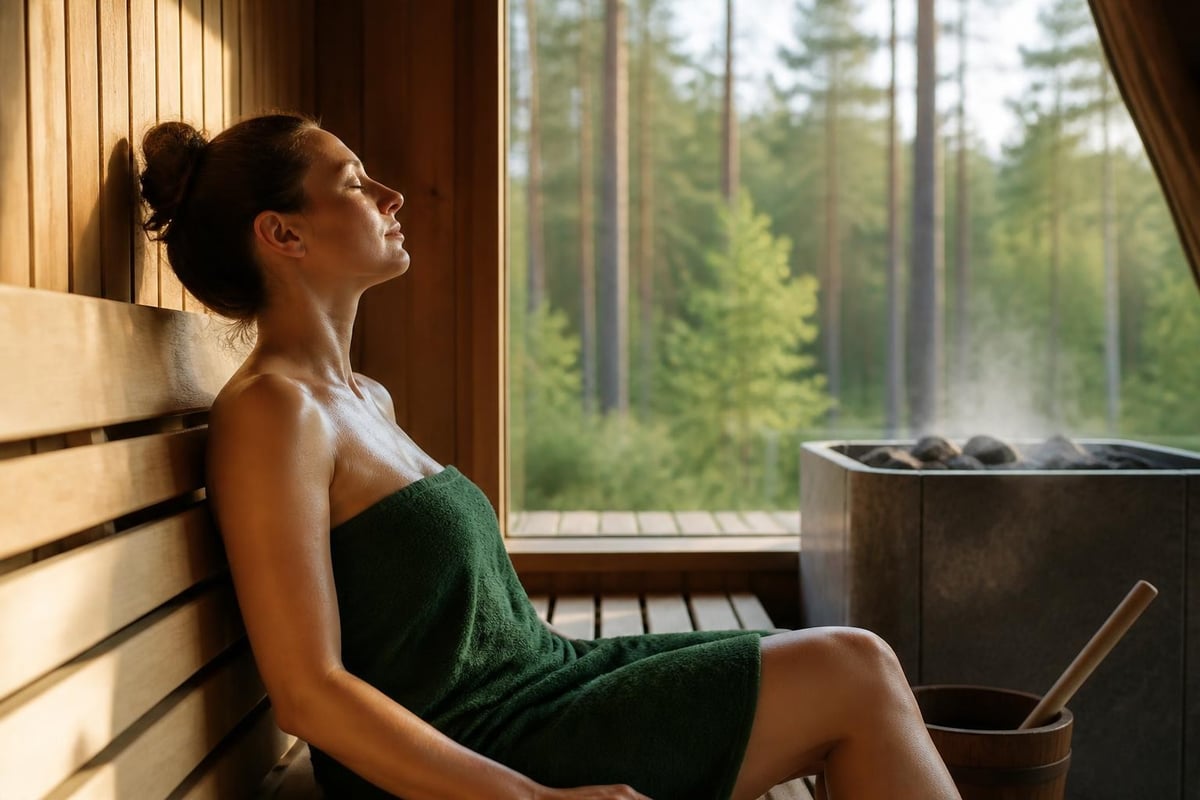
Building a Sauna Carpe Diem Practice at Home
For North American homeowners, adopting sauna carpe diem starts with removing barriers. The easier it is to heat up your sauna and step inside, the more likely you'll use it regularly.
Practical steps to make sauna a daily habit:
- Install your sauna close to the house. A 20-foot walk in winter is manageable. A 100-foot trek across a dark yard is not.
- Choose electric heat for simplicity. Wood-burning stoves deliver unmatched ambiance, but electric heaters let you preheat with a smartphone app and step into ready heat in 30 minutes.
- Plan for year-round access. Thermowood construction, proper insulation, and a cleared path through snow make winter sauna realistic, not aspirational.
- Add a changing room. Comfort before and after sauna makes the whole experience feel complete, not rushed.
When you reduce friction, sauna carpe diem becomes sustainable. You're not mustering motivation every time. You're following a groove you've already worn into your week.
Choosing the Right Sauna Size and Layout
Sauna carpe diem doesn't require a large footprint, but it does require the right fit for how you'll actually use the space. A 2-person sauna works well for solo daily use and occasional partner sessions. A 4- to 6-person model supports family bathing and hosting friends without feeling cramped.
| Sauna Size | Typical Capacity | Best For |
|---|---|---|
| 2.0 × 2.0 m | 2 people | Solo daily use, couples, compact yards |
| 2.3 × 2.3 m | 2–4 people | Regular family use, balanced footprint |
| 3.0 × 2.3 m | 4–6 people | Larger families, hosting, L-bench layouts |
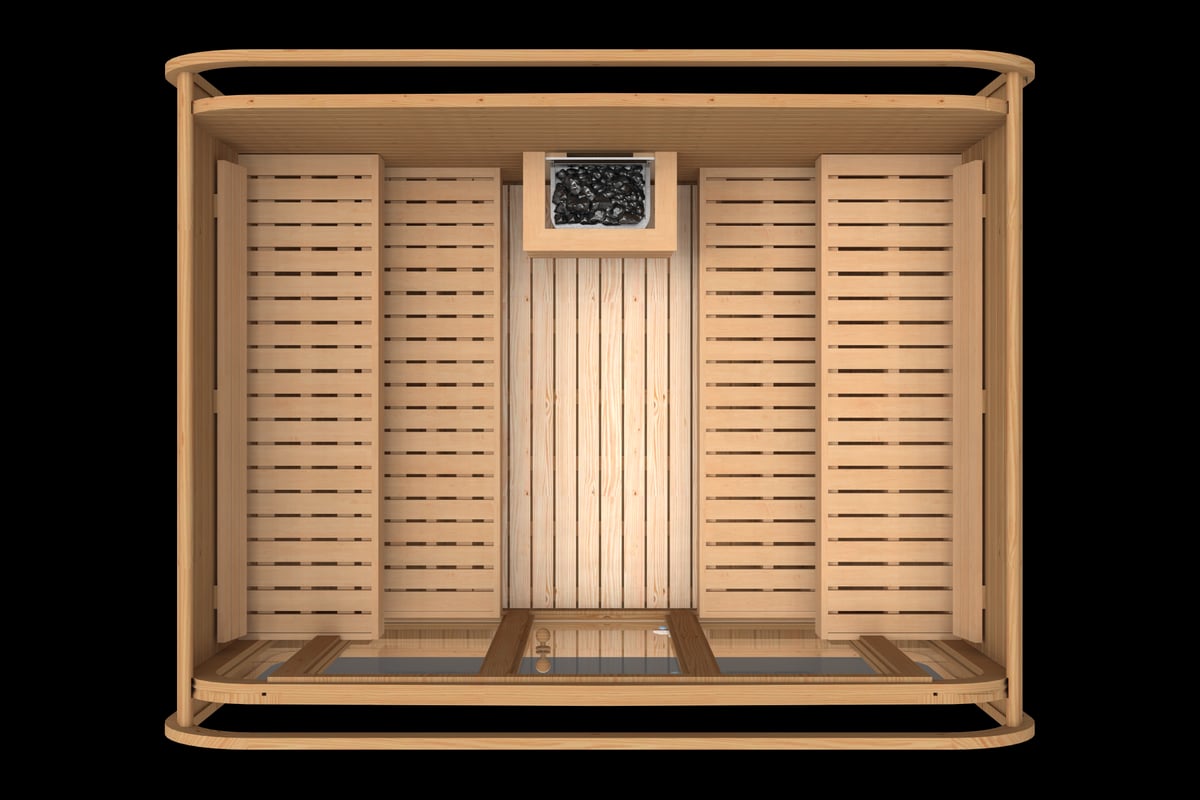
The bench layout matters as much as square footage. A straight bench offers simplicity and stretch-out room for one or two bathers. An L-shaped bench creates social seating for groups and improves heat circulation in larger cabins.
If you're committed to making sauna a daily practice, the RecoSauna Sisu Square Sauna 3.0 × 2.3 m in Thermowood offers the flexibility to sauna alone on weeknights and with family or friends on weekends. Its 46 mm solid Thermowood walls, four tinted windows, and choice of straight or L-shaped bench support authentic löyly in a design that suits modern North American backyards.
Sauna Carpe Diem and Your Health Routine
The phrase sauna carpe diem aligns well with emerging research on the health benefits of regular heat exposure. Studies suggest that frequent sauna bathing supports cardiovascular health, reduces inflammation, and improves recovery from physical exertion. A systematic review of passive heat therapies found that regular sauna sessions may improve arterial function, lower blood pressure, and support metabolic health.
What matters here is frequency. The cardiovascular benefits observed in Finnish studies correlate with sauna sessions four to seven times per week, not once a month. Sauna carpe diem isn't about intensity. It's about showing up consistently.
Practical Dosing for Daily Sauna
If you're new to regular sauna bathing, start conservatively and build tolerance over weeks. A typical session lasts 15 to 20 minutes at 160–180°F (70–80°C), with breaks for cooling, hydration, and rest.
Weekly sauna rhythm for beginners:
- Week 1–2: Three sessions per week, 10–12 minutes each.
- Week 3–4: Four sessions per week, 12–15 minutes each.
- Week 5+: Four to seven sessions per week, 15–20 minutes each, adjusted by feel.
Some people prefer a morning sauna to energize the day. Others sauna in the evening to support sleep. Harvard Health notes that the timing matters less than the consistency. Find a slot that fits your life, and protect it.
Sauna and the Carpe Diem Mindset Beyond Heat
Sauna carpe diem extends beyond the physical act of heating your body. It's also about presence. When you step into a sauna, distractions fade. No phone. No notifications. Just heat, breath, and the sound of water hitting stones.
This forced simplicity offers a rare opportunity for stillness. You're not meditating in the formal sense, but you're doing something close: sitting with yourself, noticing how your body feels, letting thoughts settle.
Pairing Sauna with Cold Exposure
The sauna carpe diem philosophy pairs naturally with cold plunges, ice baths, or cold showers. The contrast between heat and cold sharpens attention, trains your nervous system, and amplifies the post-sauna glow.
Cold exposure methods to pair with sauna:
- Cold plunge tub (outdoor stock tank or purpose-built cold tub)
- Cold shower (indoor, immediately after sauna)
- Natural water (lake, ocean, or stream if available seasonally)
- Snow roll (winter-only, traditional Finnish method)
The sequence matters. Heat first, then cold, then rest. This rhythm mirrors the Finnish practice of alternating hot and cold rounds, finishing with a period of rest where your body stabilizes and you feel deeply calm.

Designing Your Backyard Sauna for Daily Use
If sauna carpe diem means regular use, your sauna needs to feel welcoming in every season. That requires thoughtful planning around materials, insulation, access, and aesthetics.
Material Choice: Thermowood vs. Nordic Pine
Thermowood is thermally modified pine or spruce, treated at high heat to remove sugars and moisture. The result is a denser, more stable wood that resists warping, mold, and insect damage. It weathers to a silver-gray patina outdoors and requires no painting or staining.
Nordic Pine offers a lighter, warmer appearance and costs less upfront. It's a solid choice for covered or sheltered installations, but it requires more maintenance in exposed climates.
| Feature | Thermowood | Nordic Pine |
|---|---|---|
| Weather resistance | Excellent | Good (needs shelter or treatment) |
| Maintenance | Minimal (natural patina) | Moderate (periodic staining recommended) |
| Appearance | Silver-gray patina over time | Warm honey tones, ages to amber/gray |
| Longevity | 25+ years outdoors | 15–20 years with maintenance |
| Cost | Higher initial investment | Lower upfront cost |
For year-round outdoor use in climates with freeze-thaw cycles, Thermowood makes sense. It handles temperature swings, moisture, and UV exposure without structural compromise. If sauna carpe diem means daily bathing in January and July, choose materials that won't ask for attention.
Foundation and Site Preparation
Your sauna needs a level, stable foundation. Common options include poured concrete slabs, concrete piers with treated lumber frames, gravel pads with paver bases, or helical screw piles in frost-prone regions.
A proper foundation prevents settling, keeps the floor dry, and extends the life of your structure. Budget time and cost for site prep. A poorly leveled base will cause door-fit issues and structural stress within the first year.
Winter Sauna and Sauna Carpe Diem in Cold Climates
Sauna carpe diem doesn't pause when snow falls. In fact, winter sauna offers some of the most memorable sessions: steam rising into cold air, the shock of stepping from 180°F heat into 20°F night, the warmth of returning indoors afterward.
To make winter sauna practical, plan for these details:
- Cleared path: Shovel or plow a walkway from your house to the sauna door.
- Preheat time: Insulated saunas in Thermowood heat efficiently, but expect 30–40 minutes to reach temperature in sub-zero weather.
- Changing room: A small vestibule with a bench and hooks keeps your clothes dry and gives you a buffer zone before stepping outside.
- Lighting: Install exterior lighting along the path and at the sauna entrance for safe evening use.
Winter sauna is not a luxury reserved for hardy Finns. It's a practical extension of sauna carpe diem if your sauna is designed for it. The RecoSauna Comfort Square Sauna 3.0 × 2.3 m in Thermowood includes a dedicated 1-meter changing room, internal glass door, and four tinted windows, creating a complete retreat that makes year-round use realistic and comfortable.
Heater Choice and the Sauna Carpe Diem Experience
Your heater shapes how you experience sauna and how often you'll use it. Electric heaters offer convenience, precise control, and faster preheat times. Wood-burning stoves deliver richer löyly, the unmistakable scent of burning birch, and a tactile ritual that many bathers prefer.
Electric Heaters for Daily Convenience
If sauna carpe diem means frequent use, electric heaters remove barriers. Set a timer from your phone, arrive to ready heat, and step inside. Modern electric sauna heaters meet UL safety standards and install cleanly with proper wiring and clearances.
Electric heat works well for:
- Weeknight sessions when you want heat in 30 minutes
- Urban or suburban lots with HOA restrictions on wood smoke
- Saunas located close to the house with straightforward electrical access
Wood-Burning Heaters for Ritual and Ambiance
Wood-burning stoves take longer to heat, require firewood, and need more attention during your session. But they reward you with deeper, softer löyly and the satisfaction of tending a fire.
Wood heat works well for:
- Weekend or leisure bathing when the process matters as much as the outcome
- Rural properties with ample firewood and no smoke restrictions
- Bathers who value traditional Finnish sauna culture and the ritual of building a fire
Both heater types support authentic sauna. The choice comes down to how sauna fits into your life. If sauna carpe diem means grabbing heat on a Tuesday night after work, electric makes sense. If it means slowing down on Saturday morning, wood may feel right.
Sauna Carpe Diem as a Long-Term Investment
Buying an outdoor sauna is a capital decision, typically ranging from $8,000 to $25,000 depending on size, materials, and features. Sauna carpe diem reframes that investment as daily value, not a one-time purchase.
Example value calculation:
- Sauna cost: $15,000
- Expected lifespan: 20 years
- Sessions per week: 4
- Total sessions over 20 years: 4,160
Cost per session: $3.60
Compare that to gym memberships, spa visits, or massage appointments. A backyard sauna you use regularly becomes one of the most cost-effective wellness tools you own.
Maintenance and Upkeep
Sauna maintenance is minimal if you choose quality materials and install correctly. Thermowood requires no staining or sealing. Interior benches need occasional cleaning with mild soap and water. Heater stones should be inspected annually and replaced every few years as they fracture.
Annual sauna maintenance checklist:
- Inspect door seals and hinges; adjust or replace if needed
- Check heater stones for cracks; replace damaged stones
- Clean benches and walls with damp cloth; avoid harsh chemicals
- Verify exterior drainage around foundation; clear debris
- Test smoke detector and ventilation (if applicable)
A well-maintained sauna becomes a 20- to 30-year asset. Sauna carpe diem depends on that longevity. You can't seize the day if your sauna is offline for repairs.
Integrating Sauna into North American Home Wellness
North American homeowners increasingly view wellness as something you build into your home, not something you drive across town to access. Home gyms, meditation spaces, cold plunges, and saunas reflect this shift.
Sauna carpe diem fits naturally into this trend. It's not about outsourcing your health to a spa or gym. It's about creating the conditions for daily care at home, on your schedule, without negotiation or commute.
Complementary Practices
Sauna pairs well with other at-home wellness practices:
- Yoga or stretching (before sauna to warm muscles, after to cool down)
- Breathwork or meditation (during rest intervals between sauna rounds)
- Cold exposure (plunge tub, cold shower, or outdoor cold dip)
- Evening wind-down routines (sauna followed by tea, reading, or early sleep)
When you combine these practices, sauna becomes the anchor. It's the ritual that signals transition from work to rest, from doing to being.
For more context on how outdoor saunas integrate into modern backyards and wellness routines, explore the full range of options at RecoSauna's sauna collection.
Common Barriers to Sauna Carpe Diem (and How to Overcome Them)
Even with a backyard sauna, daily use can stall. Here are the most common obstacles and practical solutions.
Barrier 1: "I Don't Have Time"
Sauna sessions don't need to be long. A 15-minute heat session, 5-minute cool-down, and 10-minute rest period total 30 minutes. That's less time than most TV episodes.
Solution: Schedule sauna like any other appointment. Protect that 30-minute window three to four times per week. Treat it as non-negotiable.
Barrier 2: "It's Too Cold Outside"
Winter sauna feels intimidating until you try it. The contrast between heat and cold becomes the best part of the experience.
Solution: Invest in a changing room or vestibule, keep a warm robe by the door, and clear a path through snow. The first winter session proves it's manageable.
Barrier 3: "I Feel Guilty Taking Time for Myself"
This barrier is cultural, not practical. Rest and recovery improve your capacity to show up for work, family, and responsibilities.
Solution: Reframe sauna as maintenance, not indulgence. You're not escaping. You're recharging so you can be present.
Barrier 4: "My Sauna Takes Too Long to Heat"
If preheat time discourages use, your heater may be undersized or your sauna poorly insulated.
Solution: Verify your heater matches your sauna's cubic volume. Add insulation if needed. Consider upgrading to a more powerful electric heater with remote preheat capability.
Sauna Carpe Diem and the Long View
Sauna carpe diem isn't about urgency. It's about consistency. It's the recognition that wellness accumulates through small, repeated actions, not heroic effort.
When you sauna regularly, you begin to notice patterns: how your body responds to heat, which days you need longer sessions, how cold exposure shifts your energy, when you sleep best. These observations compound over months and years into embodied knowledge.
This long view matters. Sauna isn't a hack. It's a practice. The benefits emerge slowly, like the patina on Thermowood or the calluses on your hands from splitting firewood.
Sauna carpe diem asks you to start now, stay consistent, and trust the process. Not because every session will feel transformative, but because over time, the practice itself becomes transformation.
Sauna carpe diem is a reminder to stop postponing the practices that ground you. A backyard sauna isn't just a structure; it's a commitment to intentional rest, regular heat, and showing up for yourself. Whether you're looking for a compact two-person model or a spacious family sauna with a changing room, RecoSauna offers Finnish-quality outdoor saunas designed for year-round North American use. Explore the collection, compare models, and take the first step toward your own sauna practice today.
Share:
1 Person Sauna Guide: Sizing, Cost & Best Options
Best Sauna for Your Backyard: 2026 Buyer's Guide