

The term "alchemy saunas" often surfaces when North American homeowners research sauna options, but it can create confusion. Unlike traditional sauna manufacturers or retailers, Alchemy refers to a small number of public sauna operators offering communal bathing experiences in specific cities. Understanding what alchemy saunas actually are, how they differ from home sauna ownership, and what lessons their model offers can help you make a more informed choice about bringing sauna culture into your own backyard.
What Alchemy Saunas Actually Are
Alchemy saunas are not a sauna brand or product line. They are commercial wellness venues operating under the Alchemy name in two distinct markets: Perth, Australia, and San Francisco, California.
Alchemy Saunas Australia
The Australian operation runs multiple locations offering shared sauna and cold-plunge sessions. Alchemy Saunas in Perth have built a following through their social sauna model, where guests book time slots to experience traditional heat bathing alongside cold immersion. The business recently expanded into a renovated historic pub, as documented by FindMySpa's coverage of Perth's viral sauna brand, reflecting growing demand for communal wellness spaces.
The Australian venues emphasize:
- Timed session bookings rather than drop-in access
- Guided contrast therapy combining sauna heat and cold water
- Social atmosphere designed for groups and community building
- Urban locations making wellness accessible to city residents
Alchemy Springs San Francisco
On the West Coast, Alchemy Springs operates a Sauna Garden in San Francisco's Mission District. This venue offers a different format, focusing on outdoor sauna experiences with programming that includes sound baths, workshops, and community events. The SaunaShare listing for Alchemy Springs describes it as a social sauna space where strangers gather for shared bathing rituals.
Key features include:
- Outdoor sauna garden setting in an urban environment
- Programmed events beyond basic sauna sessions
- Community-focused mission emphasizing connection and ritual
- Booking system for scheduled access
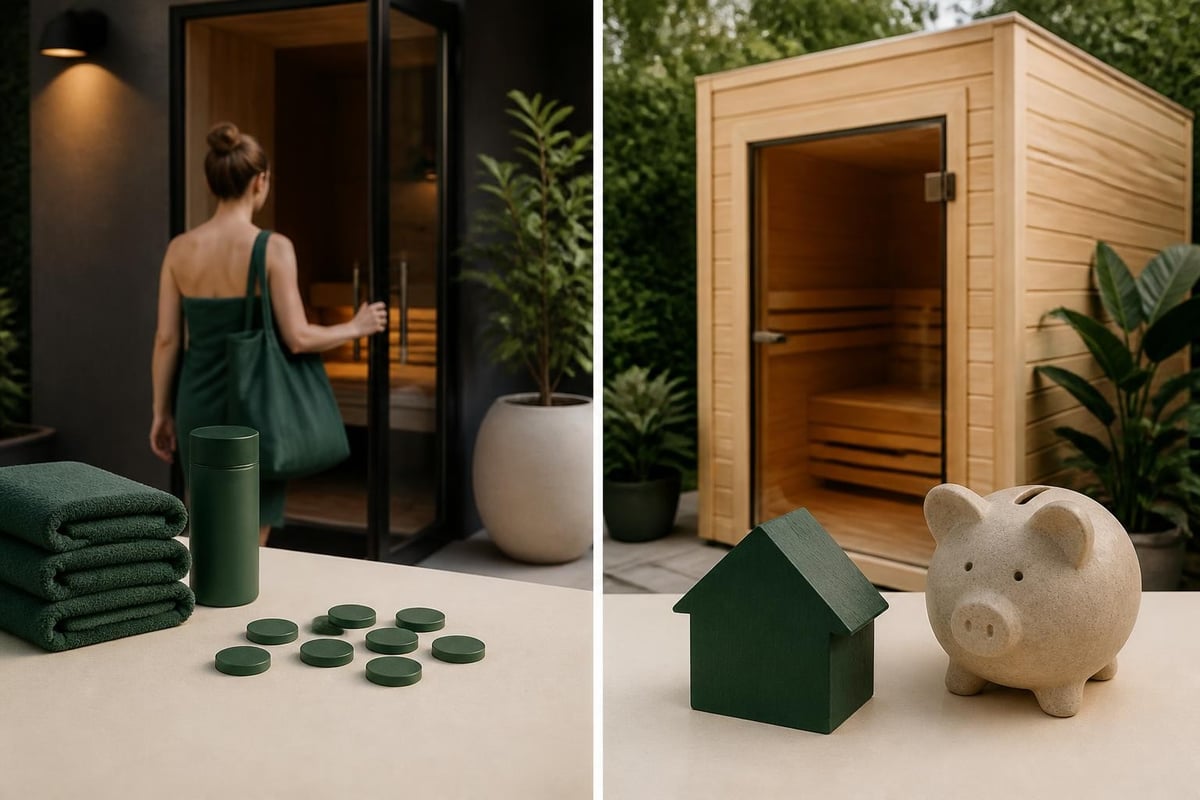
The Public Sauna Model vs. Home Ownership
Alchemy saunas represent the commercial end of North America's growing sauna culture. Their success demonstrates genuine demand, but the experience and economics differ fundamentally from owning a backyard sauna.
Cost Comparison Over Time
Public sauna memberships or per-session fees create ongoing expenses. A typical session at a commercial sauna venue runs $25–$45, while monthly memberships can reach $150–$300 depending on location and frequency limits.
| Approach | Year One | Five Years | Ten Years |
|---|---|---|---|
| Public sessions (2×/week) | $2,600–$4,700 | $13,000–$23,500 | $26,000–$47,000 |
| Monthly membership | $1,800–$3,600 | $9,000–$18,000 | $18,000–$36,000 |
| Home sauna (initial investment) | $8,000–$18,000 | $8,500–$19,000 | $9,500–$21,000 |
The table assumes weekly operating costs of $10–$20 for a home electric sauna (electricity) or $100–$200 yearly for wood (maintenance and occasional firewood). After roughly three to five years of regular use, a quality outdoor sauna pays for itself compared to membership fees.
Privacy and Convenience Trade-offs
Commercial venues require:
- Advance booking during available time slots
- Travel time to and from the location
- Shared spaces with other guests
- Operating hours that may not match your schedule
Home saunas offer:
- Immediate access whenever you want heat
- Complete privacy for individuals, couples, or invited guests
- No commute from your back door
- Freedom to sauna at 6 a.m. or 11 p.m. without restrictions
For homeowners who value routine and spontaneity, the convenience gap matters more than the cost difference.
What Home Buyers Can Learn from Alchemy Saunas
The commercial model provides useful insights even if you're planning a backyard installation rather than a membership.
The Power of Contrast Therapy
Both Alchemy operations emphasize cold plunge alongside sauna heat. This combination, fundamental to Nordic bathing culture, drives much of the wellness benefit and psychological appeal. When planning your home setup, pairing sauna and cold plunge creates a more complete experience than heat alone.
Consider:
- Dedicated cold plunge tubs sized for full immersion
- Natural water sources if your property includes a pond or stream
- Year-round access to cold water, even in summer heat
- Proximity between sauna door and cold water (within 10–20 feet ideally)
Social vs. Solo Use
Alchemy's model centers on shared experience and community. Home saunas can serve both purposes, but design choices affect how well they accommodate groups.
A 2-person sauna suits couples or solo bathing. Larger models in the 3.0 × 2.3 m range comfortably host four to six people, important if you plan to invite friends or family for regular sessions.
Bench layout matters:
- Straight benches maximize capacity for group bathing
- L-shaped configurations offer more reclining space for solo users
- Upper and lower bench levels let bathers choose heat intensity
- Changing rooms (like those in the RecoSauna Comfort models) add privacy when hosting guests
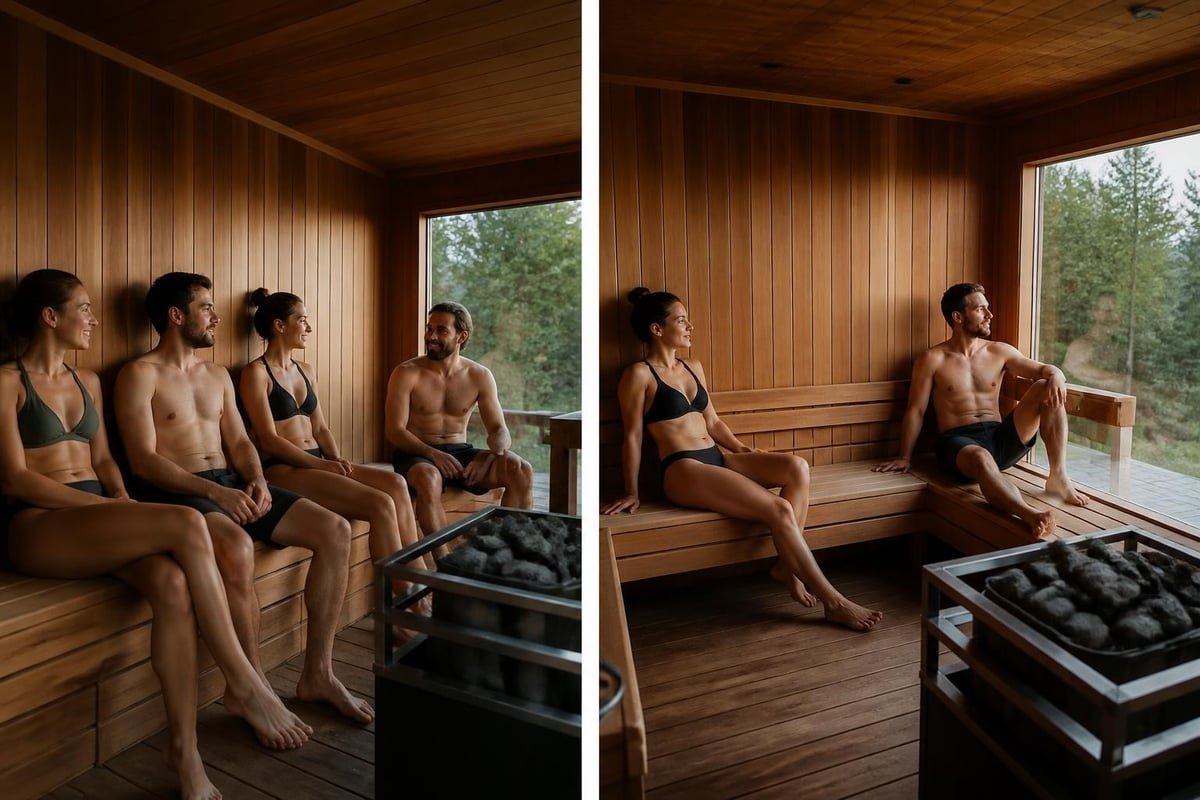
For homeowners who value the social aspect that makes alchemy saunas popular, choosing a model that seats four to six creates space for occasional gatherings without feeling oversized during daily solo use.
Atmosphere and Ritual
Commercial venues invest heavily in ambiance: lighting, music, scent, and guided protocols. You control all these elements in a home sauna, but they require intentional setup.
Lighting: Dimmable LED strips or candle-safe fixtures create calm. Harsh overhead lights disrupt the meditative quality of sauna time.
Sound: Bluetooth speakers (rated for heat and humidity) let you add music, nature sounds, or silence as preferred.
Routine: Establishing a personal ritual, whether pre-sauna stretching, specific breathing patterns, or post-sauna cold immersion, deepens the experience beyond passive heat exposure.
The alchemy saunas model shows that people respond to sauna as an experience, not just a box with a heater. Bringing that same care to your home setup maximizes long-term satisfaction.
Design and Construction Lessons
Public sauna operators choose materials and layouts based on heavy use, maintenance efficiency, and aesthetic appeal. These priorities align closely with what makes a good residential outdoor sauna.
Material Durability
Commercial venues need surfaces that tolerate hundreds of weekly users and resist moisture damage. Home saunas benefit from the same material standards, especially models intended for year-round outdoor use in North American climates.
Thermowood stands out as the premium choice:
- Heat-treated to remove moisture and sugars, making it dimensionally stable
- Naturally resistant to rot, mold, and insect damage without chemical treatment
- Darker, richer color that weathers gracefully outdoors
- Lower thermal conductivity than untreated wood, staying more comfortable to touch
Nordic Pine offers a lighter appearance and traditional character but requires more maintenance over time in exposed outdoor locations. For homeowners prioritizing longevity and minimal upkeep, Thermowood construction delivers better value across a decade or more of use.
Insulation and Year-Round Use
Unlike indoor saunas or summer-only barrel designs, serious outdoor saunas need insulation to perform efficiently in winter. The RecoSauna Sisu Square Sauna 3.0 × 2.3 m in Thermowood uses solid 46 mm Thermowood walls, which provide natural insulation while maintaining the authentic log-sauna character valued in Finnish tradition.
Insulated wall, roof, and floor construction becomes critical if you live in climates with cold winters. Proper insulation:
- Reduces heat-up time and energy costs
- Maintains stable temperatures in sub-zero conditions
- Protects the structure from freeze-thaw cycles
- Extends the lifespan of the sauna and its components
For buyers in Canada, the northern U.S., or mountain regions, insulation isn't optional. It's the difference between a sauna you use all year and one that sits idle from November through March.
Choosing Between Public Sessions and Home Ownership
Neither option is universally better. The right choice depends on your specific situation, frequency of use, and what you value most.
When Public Sauna Memberships Make Sense
Consider alchemy saunas or similar commercial venues if you:
- Live in a small urban space with no yard or patio for installation
- Sauna infrequently (less than once per week on average)
- Value social atmosphere and prefer bathing with others regularly
- Want to try sauna culture before committing to a home installation
- Rent your current home and can't make permanent improvements
Public saunas serve as an excellent introduction. Many homeowners who later invest in backyard models started with gym or spa memberships that demonstrated how often they'd actually use a sauna.
When Home Ownership Becomes the Better Path
A backyard sauna makes economic and practical sense if you:
- Own your home with outdoor space for a 2.3 m × 2.3 m or larger footprint
- Sauna regularly (two or more times per week)
- Value privacy and control over timing, temperature, and rituals
- Have a partner or family who will share the sauna
- Plan to stay in your home long enough to recoup the investment (typically 3–5 years)
For most homeowners who develop a consistent sauna habit, ownership offers better long-term value and a superior experience.
Sizing Your Home Sauna
Public venues use large commercial saunas designed for high throughput. Home saunas require different thinking around capacity and footprint.
Matching Size to Actual Use
2.3 × 2.3 m models comfortably fit two to four people and work well for:
- Couples who sauna together most often
- Smaller backyards or patios with limited space
- Homeowners who occasionally host one or two guests
- Budgets focused on essential features without extra square footage
3.0 × 2.3 m models accommodate four to six people and suit:
- Families with children old enough for sauna use
- Homeowners who regularly invite friends for wellness sessions
- Buyers who want maximum bench layout flexibility (L-shaped or straight)
- Properties with space for a more substantial backyard structure
Both sizes provide authentic sauna experiences. The larger footprint doesn't create better löyly (the steam and heat sensation), but it does offer more elbow room and hosting capacity.
Changing Rooms and Sheltered Space
Alchemy saunas include changing areas and transitional spaces between sauna and cold water. This same logic applies at home, especially in climates with rain, snow, or temperature extremes.
RecoSauna Comfort models incorporate a dedicated 1 m changing room with a bench and interior glass door. This addition:
- Provides shelter for removing and storing clothes
- Offers a warm transition space before stepping outside to cold plunge
- Protects the sauna interior from wet clothing and shoes
- Adds privacy if the sauna sits near property lines or neighbor sightlines
For buyers planning regular winter use or multi-person sessions, the changing room becomes more than a luxury. It's a practical feature that makes the sauna more comfortable and welcoming year-round.
Heater Choice and Operating Costs
Public saunas almost universally use large electric heaters for consistency, safety, and ease of operation. Home buyers have more options, each with trade-offs.
Electric Heaters
Electric sauna heaters provide:
- Precise temperature control via digital or analog thermostats
- Faster heat-up than wood-burning options (30–45 minutes typically)
- No smoke or ash to manage
- Easier permitting in most North American jurisdictions
Operating costs depend on heater size (typically 6–9 kW for residential outdoor saunas), local electricity rates, and session duration. Expect $1–$3 per hour of operation in most markets.
For homeowners with existing electrical service to the backyard or those planning new construction, electric heaters offer the simplest path to daily use.
Wood-Burning Heaters
Traditional wood-fired sauna stoves deliver:
- Authentic Finnish experience with the crackle and scent of burning wood
- No electrical connection required, useful for remote properties
- Lower operating costs if you have access to seasoned firewood
- Slower heat-up (60–90 minutes) that becomes part of the ritual
Wood heaters require more planning: chimney installation, clearances from combustible materials, and local building permits. They also demand active management during each session, feeding the fire and adjusting airflow.
For buyers prioritizing tradition and willing to invest time in the process, wood heat creates an experience electric models can't replicate.
Installation and Permitting
Alchemy saunas operate in commercial spaces with professional construction, inspections, and permits. Home installations follow a similar process, though requirements vary significantly by location.
Foundation Requirements
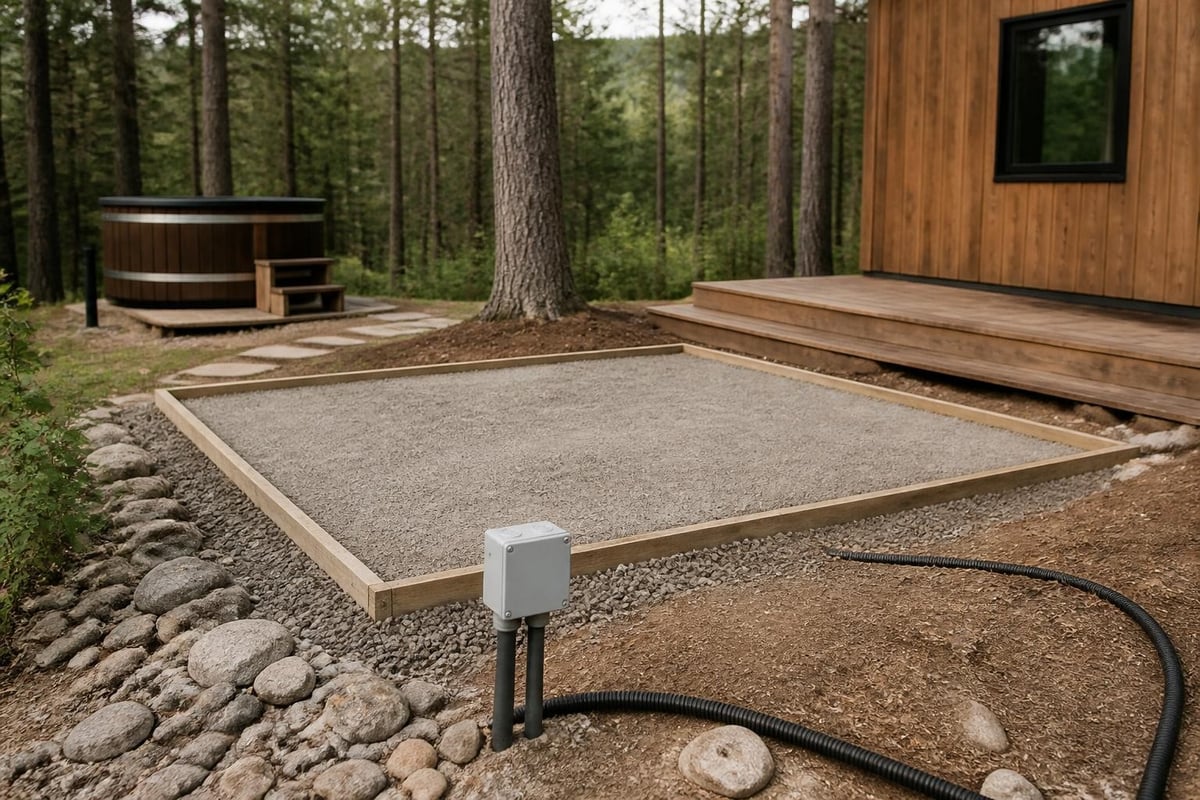
Outdoor saunas need stable, level foundations. Common approaches include:
- Gravel pad with compacted base (simplest, works in most climates)
- Concrete slab for permanent installations with heavy use
- Deck or patio if existing structure can support sauna weight
- Pier blocks with framing for areas with drainage concerns
The foundation must keep the sauna floor above grade to prevent moisture intrusion and ensure proper drainage around the structure.
Electrical and Plumbing
Electric saunas require dedicated circuits, typically 240V/40A or 240V/50A depending on heater size. Hiring a licensed electrician is non-negotiable for safety and code compliance.
Plumbing is optional unless you're adding a shower or permanent cold plunge with fill/drain lines. Many homeowners use portable cold-plunge tubs that require only a garden hose for filling.
Building Permits and Setbacks
Most jurisdictions classify outdoor saunas as accessory structures, triggering requirements for:
- Setback distances from property lines (often 5–10 feet minimum)
- Maximum height limits (usually 10–15 feet for accessory buildings)
- Building permits with plan review and inspections
- Electrical permits for heater wiring and circuit installation
Check with your local building department early in the planning process. Permit costs and timelines vary widely, from simple same-day approvals to multi-week review processes in more regulated areas.
The Finnish Perspective on Alchemy Saunas
From a Finnish sauna culture standpoint, alchemy saunas represent an interesting North American adaptation. They've made sauna accessible in urban areas where home ownership and backyard space are limited, introducing thousands of people to heat bathing and cold immersion.
But they also illustrate what's lost in the commercial model: the personal, private nature of traditional sauna. In Finland, sauna is a home ritual, a family space, and a place for quiet reflection. The social aspect exists, but it emerges organically when you invite someone into your sauna, not through scheduled group sessions with strangers.
For homeowners drawn to authentic Finnish sauna culture, ownership aligns more closely with that tradition. You control the heat, the löyly, the timing, and who joins you. That autonomy matters.
Making Your Decision
If alchemy saunas or similar public venues sparked your interest in sauna bathing, the next step is determining whether membership or ownership fits your life better.
Ask yourself:
- How often do I currently visit public saunas or plan to sauna weekly?
- Do I value the social atmosphere of group sessions or prefer private bathing?
- Do I own my home with outdoor space for a permanent structure?
- Am I comfortable with the upfront cost in exchange for long-term value?
- Do I want to integrate cold plunge and create a complete home wellness routine?
For buyers ready to invest in their own backyard sauna, focusing on quality construction, appropriate sizing, and year-round usability ensures satisfaction over decades of use. The most important factors include solid Thermowood or Nordic Pine construction, proper insulation for your climate, a bench layout that matches your capacity needs, and a foundation plan that meets local codes.
Alchemy saunas prove that North Americans are ready for authentic sauna culture. The question is whether you'll experience it on someone else's schedule or bring it home on your own terms.
Alchemy saunas have introduced many North Americans to heat bathing, but ownership offers deeper value for homeowners who sauna regularly. If you're ready to move beyond memberships and build a personal wellness space in your backyard, RecoSauna brings Finnish sauna expertise and premium Thermowood construction to your property, with clear guidance on sizing, installation, and choosing the right model for your climate and lifestyle.
Share:
Sauna at Planet Fitness: What to Expect & Alternatives
Relax Sauna: Your Guide to Stress-Free Heat Therapy