

A relax sauna isn't a specific product category. It's a practice-the intentional use of heat, quiet and ritual to pull yourself out of the sympathetic (stress) state and into the parasympathetic (rest) response. North American homeowners often buy an outdoor sauna for wellness, but the real value emerges when you understand how to use heat as a tool for deep relaxation rather than just another checkbox in a busy routine. This guide walks you through the physiology, session design, environmental tweaks and rhythm that transform ordinary sauna bathing into reliable stress relief.
Why Heat Triggers the Relaxation Response
Passive heat exposure activates measurable physiological shifts that support relaxation. When core temperature rises, heart rate increases, blood vessels dilate and skin perfusion improves-mimicking moderate aerobic exercise without the musculoskeletal load. Research on passive heat therapies shows that regular sauna use improves heart-rate variability, lowers resting cortisol and enhances parasympathetic tone, all markers of a body shifting out of chronic stress.
What happens during a relax sauna session:
- Core temperature climbs 1–2°C, triggering sweating and increased cardiac output
- Peripheral blood flow rises, lowering blood pressure over time
- Heat-shock proteins activate, supporting cellular repair and resilience
- Endorphin and endocannabinoid pathways engage, lifting mood and reducing pain perception
This isn't placebo. The heat itself is the intervention. You don't need to visualize, meditate or follow a script-though those practices layer well. Simply sitting in sustained warmth for 15–20 minutes signals the body to downregulate stress hormones and open the recovery window.
Bench Height, Temperature and Breathing
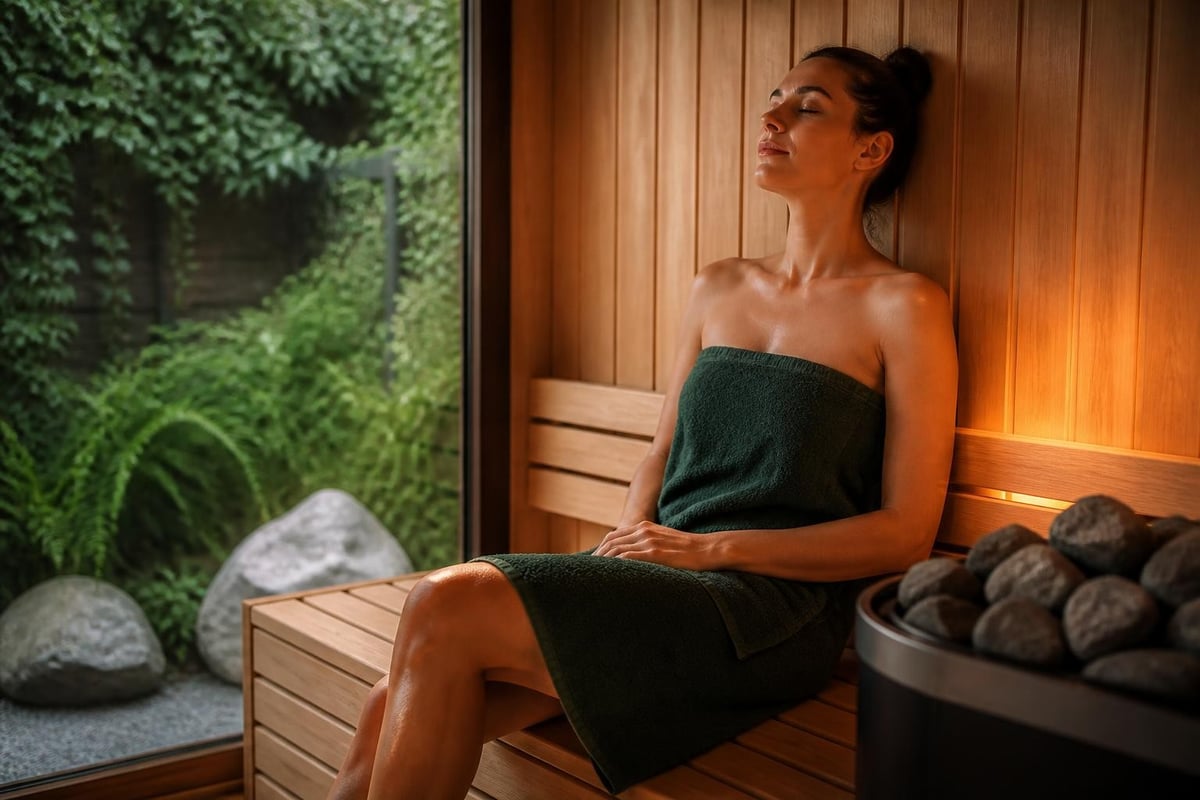
A relax sauna session starts with setup. Bench height determines heat exposure: the top bench in a properly designed sauna places your head in the 75–85°C zone, while the lower bench offers 60–70°C. If your goal is relaxation rather than maximum heat stress, the lower bench is often the better choice. It's warm enough to trigger cardiovascular benefits but gentle enough to sustain longer, calmer sessions.
Temperature alone doesn't define a relax sauna experience. Humidity matters just as much. Dry heat at 80°C feels tolerable; the same temperature with a ladle of water on the stones (löyly) increases perceived intensity dramatically. For stress relief, start dry and add steam gradually, observing how your breathing responds. Shallow, rapid breaths signal fight-or-flight. Slow nasal breathing-four-count inhale, six-count exhale-anchors the parasympathetic shift.
Session variables to adjust for relaxation:
| Variable | Relaxation-Focused Approach | High-Intensity Approach |
|---|---|---|
| Bench position | Lower bench (60–70°C) | Top bench (80–90°C) |
| Humidity | Moderate löyly, spaced 3–5 min | Frequent löyly, heavy steam |
| Session length | 15–25 minutes, single round | 3 rounds, 10–12 min each |
| Breathing | Slow nasal, extended exhale | Natural, no breath focus |
| Post-session | Cool shower, 5–10 min rest | Cold plunge, immediate contrast |
Building a Ritual Around Your Relax Sauna
Consistency matters more than intensity when the goal is stress relief. A relax sauna practice works best when it's a predictable, low-friction part of your week-not an occasional event that requires motivation and planning. Most North American homeowners find success with two or three sessions per week, scheduled at the same time of day.
Evening sessions, 60–90 minutes before bed, align well with natural circadian rhythms. Core temperature drops after you leave the sauna, signaling the body that it's time to sleep. Morning sessions work too, especially if you frame them as a replacement for scrolling or rushing. The key is removing decision fatigue: your sauna is ready, the towel is in place, and the ritual is automatic.
Pre-Session and Post-Session Anchors
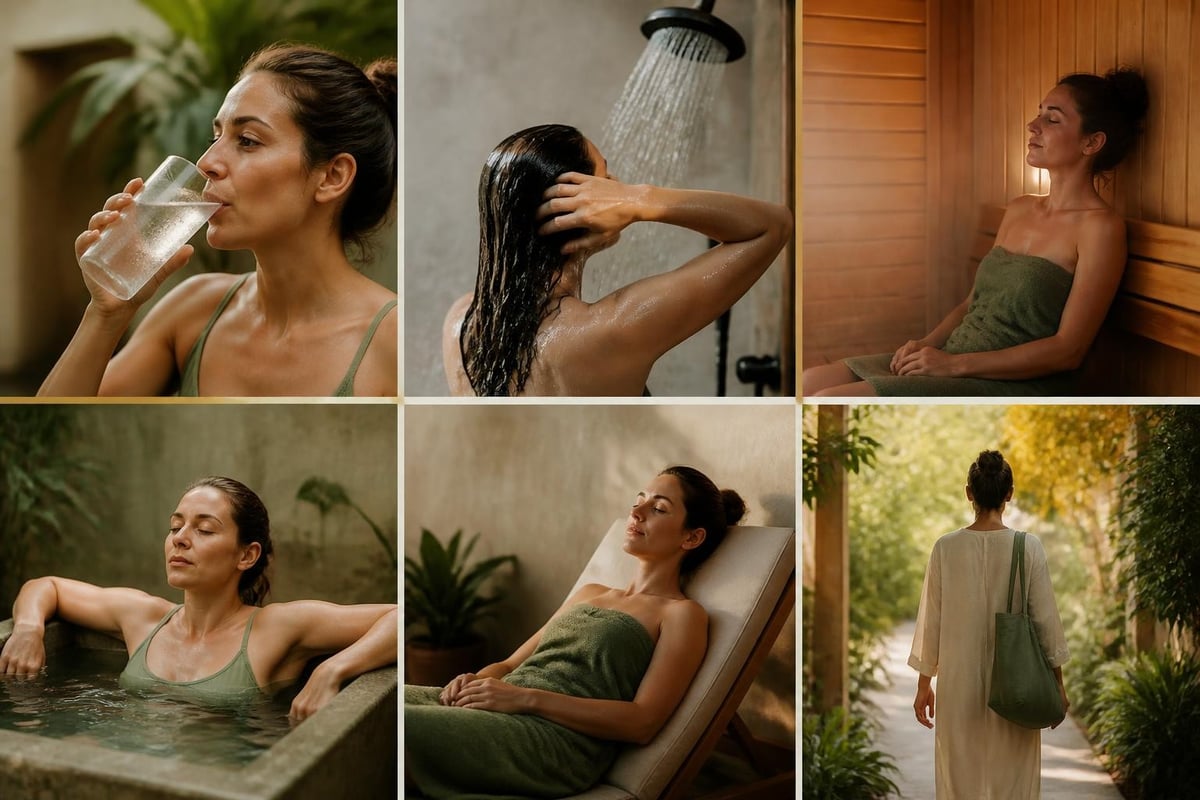
The minutes before and after heat are as important as the session itself. A relax sauna practice includes transition rituals that separate sauna time from the rest of your day.
Before:
- Hydrate with 250–500 mL of water (not coffee or alcohol)
- Shower briefly to remove oils, lotions and dirt
- Set a timer for 15–20 minutes so you don't watch the clock
- Dim or turn off your phone-leave it outside the sauna
After:
- Cool gradually with a lukewarm or cool shower (not ice-cold unless that's your preference)
- Sit or lie down for 5–10 minutes, wrapped in a towel or robe
- Rehydrate with water or electrolyte solution
- Avoid jumping immediately into email, tasks or screens
These anchors signal to your nervous system that this block of time is protected. Over weeks, the routine itself becomes a cue for relaxation, independent of how stressed you felt walking in.
Optimizing the Physical Environment
A relax sauna isn't just about heat and timing. The space itself shapes the experience. Outdoor saunas offer natural separation from your home, which helps with psychological decompression. Walking across the yard or patio to reach your sauna creates a threshold-you're leaving the house and its demands behind.
Environmental factors that support relaxation:
- Soft, warm lighting (dimmable LED or candles outside the hot room)
- Natural materials-wood, stone, glass-rather than synthetic finishes
- Ventilation that provides fresh air without creating drafts
- Acoustic separation from traffic, neighbors or household noise
- A view of trees, sky or garden through a window or glass door
Scandinavian sauna design prioritizes simplicity and natural materials, not because of aesthetics alone, but because they reduce sensory clutter. When you're trying to quiet your mind, busy tile patterns, bright lights and plastic surfaces all compete for attention.
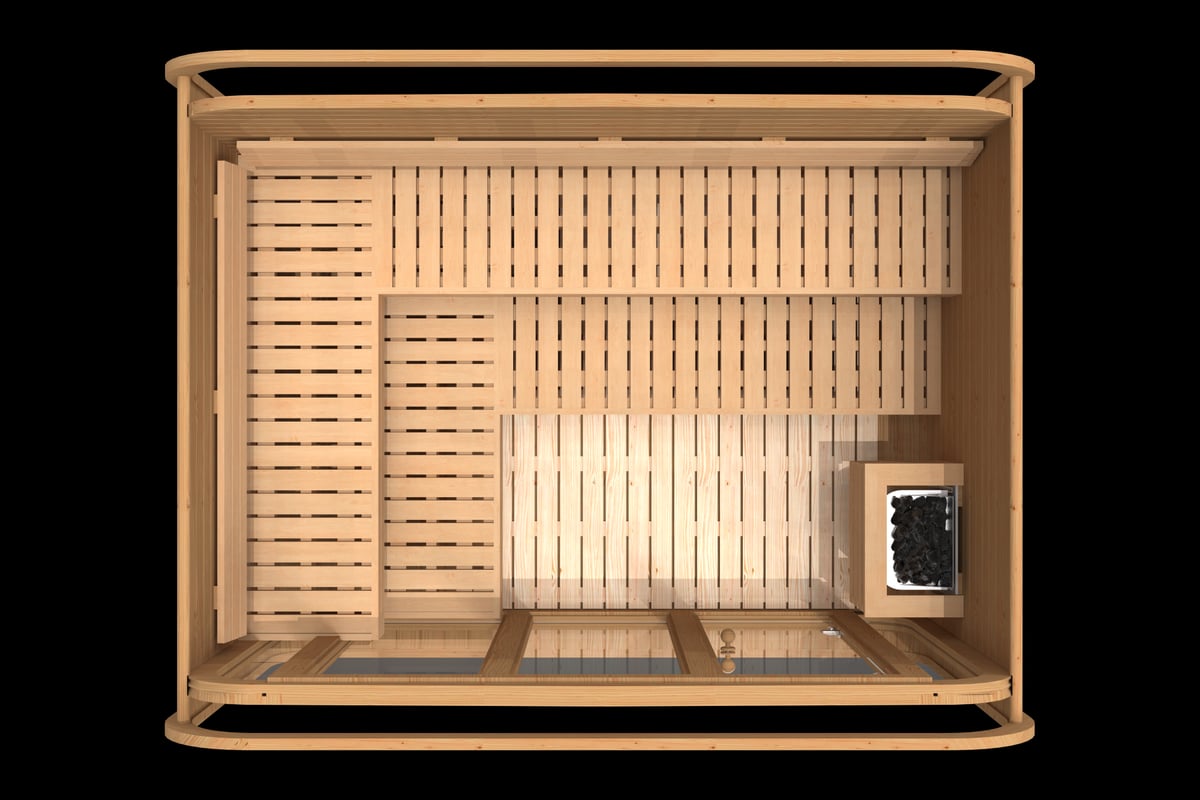
If you're evaluating outdoor sauna options, look for models with tinted glass, alder or aspen benches, and enough interior volume to avoid feeling cramped. A relax sauna practice is harder to sustain if the space feels claustrophobic or visually jarring. The RecoSauna Sisu Square Sauna 3.0 × 2.3 m in Thermowood offers a generous layout with four tinted front windows and a choice of straight or L-shaped benches, supporting both solo relaxation sessions and shared bathing with a partner or friend.
Sound, Silence and Distraction
Some people prefer complete silence in a relax sauna. Others find that soft background sound-rain, wind chimes, instrumental music-helps mask intrusive thoughts. There's no wrong answer, but the choice should be intentional. If you bring a Bluetooth speaker into the sauna, make it waterproof, keep the volume low, and choose music without lyrics or sudden dynamic changes.
Silence is underrated. Most of us spend the entire day surrounded by noise, notifications and voices. A sauna session without any audio input allows the mind to wander and settle in ways that rarely happen otherwise. If silence feels uncomfortable at first, that discomfort is worth exploring rather than covering up.
Heart Rate, Duration and Safety Boundaries
A relax sauna session should feel challenging but not distressing. Heart rate during sauna bathing typically rises to 100–150 beats per minute, similar to brisk walking. If you're new to sauna or managing a health condition, start conservatively: 10–12 minutes at 70°C on the lower bench, once or twice per week.
Meta-analyses of randomized trials confirm that regular sauna use improves markers of cardiovascular and metabolic health, but those benefits accumulate over months of consistent practice, not from a single intense session. Pushing too hard, too soon increases the risk of dizziness, nausea or orthostatic hypotension when you stand up.
Recognizing Warning Signs
A relax sauna practice is built on listening to your body, not overriding it. Stop the session if you experience:
- Dizziness, lightheadedness or tunnel vision
- Nausea or headache
- Rapid, irregular heartbeat
- Chest discomfort or shortness of breath
- Confusion or difficulty concentrating
These symptoms can indicate dehydration, heat exhaustion or an underlying cardiovascular issue. Clinical guidelines on heat illness emphasize the importance of recognizing early warning signs and cooling immediately. Exit the sauna, drink water, sit or lie down in a cool space, and seek medical attention if symptoms persist.
Pairing Sauna with Cold Exposure
Many North American sauna owners are curious about contrast therapy-alternating heat and cold to amplify recovery and mood benefits. The practice is common in Nordic countries, but it's not required for a relax sauna routine. Cold exposure triggers a strong sympathetic (stress) response initially, then a pronounced parasympathetic rebound. For some people, that rebound deepens relaxation. For others, the shock is too stimulating.
Guidance from the American Medical Association notes that cold plunges can improve mood and resilience when used safely, but they're not appropriate for everyone-especially individuals with heart conditions, high blood pressure or cold-induced asthma.
If you decide to add cold to your relax sauna practice:
- Start with a cool (not ice-cold) shower for 30–60 seconds after your sauna session
- Progress gradually to colder water over several weeks
- Keep initial cold plunges to 1–3 minutes; longer isn't always better
- Breathe slowly and avoid gasping or hyperventilating
- Warm up naturally afterward; don't jump immediately back into the sauna
Contrast therapy is a separate practice. You can have a deeply effective relax sauna routine without ever touching cold water. The heat alone is sufficient.
Frequency, Timing and Long-Term Adaptation
How often should you use a relax sauna? Evidence from cardiovascular research suggests that four to seven sessions per week offer the strongest benefits for heart health and longevity, but those findings come from Finnish populations with lifelong sauna habits. For most North Americans, two to three sessions per week is realistic and sustainable.
The body adapts to heat over time. Your first few sessions may feel intense even at moderate temperatures. After a month, the same heat load feels easier, you sweat sooner, and recovery is faster. This adaptation is a feature, not a bug-it means your cardiovascular and thermoregulatory systems are becoming more efficient.
Typical progression for new sauna users:
| Week | Frequency | Duration per Session | Temperature | Notes |
|---|---|---|---|---|
| 1–2 | 1–2x/week | 10–12 minutes | 65–70°C | Lower bench, minimal löyly |
| 3–4 | 2x/week | 12–15 minutes | 70–75°C | Experiment with steam |
| 5–8 | 2–3x/week | 15–20 minutes | 75–80°C | Top bench, moderate löyly |
| 9+ | 2–4x/week | 15–25 minutes | 75–85°C | Adjust to preference |
This timeline is general. Some people adapt faster; others prefer to stay at lower temperatures indefinitely. A relax sauna practice is not a competition.
Materials, Insulation and Year-Round Use
If your sauna is outdoors, material and insulation choices affect how easily you can maintain a relax sauna routine through winter. Thermowood-heat-treated pine or spruce-resists moisture, decay and temperature swings better than untreated wood. It also retains heat more effectively, meaning your sauna reaches target temperature faster and holds it longer, even in subfreezing conditions.
Wall thickness matters. A 46 mm solid-wood wall provides better thermal mass than a thinner panel, reducing heat-up time and fuel costs for wood-burning heaters. For electric heaters, insulation and tight construction lower energy consumption and improve session consistency.
Material and design considerations for year-round relaxation:
- Thermowood exterior and interior for durability and low maintenance
- 46 mm or thicker walls for thermal stability
- Tinted or double-glazed glass to reduce heat loss through windows
- Proper roof insulation and weatherproofing
- A changing room or vestibule to keep winter drafts out of the hot room
A poorly insulated sauna is harder to keep warm in January, which creates friction in your routine. If you have to wait 90 minutes for the sauna to heat or bundle up just to walk from the door to the bench, you're less likely to use it consistently.
Electric vs Wood Heat for Stress Relief
Heater choice is personal, but it does influence the character of a relax sauna session. Electric heaters offer precision, fast heat-up and no smoke or ash to manage. You set the thermostat, press a button and the sauna is ready in 30–45 minutes. For busy homeowners prioritizing convenience, electric is often the better fit.
Wood-burning heaters require more involvement: splitting kindling, lighting the fire, tending the stove, managing airflow. That involvement can be part of the ritual-slowing down, focusing on a physical task, watching flames. For some people, the act of building a fire is itself relaxing. For others, it's a chore that delays the actual sauna session.
Neither heater type is objectively better for relaxation. The question is which workflow supports your habit. If you're more likely to use the sauna when it's frictionless, choose electric. If you find meaning in the process and have the time, wood heat adds a layer of engagement.
Social vs Solo Sessions
A relax sauna can be a solitary practice or a shared one. Solo sessions offer privacy, silence and full control over temperature, timing and ritual. Shared sessions-with a partner, friend or family member-introduce conversation, laughter and connection, which are their own form of stress relief.
There's no need to choose permanently. Some evenings call for quiet introspection; others benefit from presence and storytelling with someone you trust. The key is that everyone in the sauna is there for the same reason: to slow down and be present, not to multitask, debate or problem-solve.
Guidelines for shared relax sauna sessions:
- Agree on temperature and löyly intensity before you start
- Keep conversation light; avoid heavy topics or conflict
- Respect silence if someone signals they need it
- Exit when you need to; don't stay longer just to match someone else's endurance
- Allow space for individual experience even in a shared setting
Group sauna bathing is common in Finnish culture, but it's always consensual and low-pressure. If a shared session feels forced or performative, it's not serving the relaxation goal.
Measuring Progress Without Metrics
One tension in modern wellness culture is the urge to track everything: heart rate, session length, total sauna hours per month, perceived stress scores. Metrics can be useful for accountability, but they can also turn a relax sauna practice into another optimization project.
You don't need an app or a spreadsheet to know if your sauna routine is working. The indicators are qualitative: Do you sleep better on sauna nights? Do you feel calmer the morning after a session? Are you reaching for your phone less often? Do you look forward to the ritual, or does it feel like another obligation?
If the answer to most of those questions is yes, the practice is working. If not, adjust frequency, timing, temperature or ritual elements until it feels supportive rather than draining.
Practical Barriers and How to Address Them
Even with the best intentions, life disrupts routine. Travel, illness, weather, work deadlines and family demands all interfere with a relax sauna practice. The difference between people who maintain the habit and those who drift away is how they handle disruptions.
Common barriers and solutions:
| Barrier | Solution |
|---|---|
| Too cold outside | Heat the sauna earlier; add a changing room or vestibule |
| Too tired after work | Shift to morning sessions or weekend afternoons |
| Running out of time | Shorten sessions to 12–15 minutes; relaxation still happens |
| Partner wants to join | Designate some sessions solo, some shared |
| Traveling frequently | Use hotel saunas or gym facilities; maintain the ritual |
| Sauna feels like a chore | Revisit why you started; adjust temperature, timing or setting |
The goal is resilience, not perfection. A relax sauna practice doesn't require daily sessions or flawless adherence. It requires enough consistency that the body and mind recognize the pattern and respond to it.
A relax sauna is less about the equipment you buy and more about how you use it-building a repeatable ritual around heat, quiet and presence that supports your nervous system rather than adding to your task list. Whether you're just starting or refining an existing routine, the principles are the same: start conservatively, adjust based on how you feel, and prioritize consistency over intensity. RecoSauna brings Finnish sauna expertise and premium outdoor sauna options to homeowners across the USA and Canada, helping you choose the right model, layout and heater for your climate, space and wellness goals.
Share:
Alchemy Saunas: What North American Buyers Should Know
Sauna Store Guide: How to Shop & What to Expect in 2026